
Why “Looking Like an Artist” Matters More Than You Think
Most rappers think the music will speak for itself. It won’t.
Not in this day and age. Not in an era where fans scroll faster than they listen.
Here’s the truth: before people hear you, they see you.
Your look is the first handshake. The first bar. The first impression that decides whether someone stops, listens, follows, and eventually buys.
This isn’t about being flashy or pretending. It’s about building a visual identity that communicates who you are before you say a single word.
Below is a grounded, step-by-step breakdown of why looking like an artist matters—and how to do it in a way that feels authentic, affordable, and strategic.
1. People Make Split-Second Judgments
Pros:
You stand out instantly in a saturated space.
Your visuals do the heavy lifting before your music even plays.
Cons:
If your branding is inconsistent, people assume your music is too.
Reality:
Studies on visual branding and consumer behavior show that people form an opinion on a brand within 50–500 milliseconds. That’s how fast attention works.
Forward move: Treat your look as part of your marketing. It’s not vanity, it’s design.
2. Your Look Tells Your Story Before Your Lyrics Do
Every successful artist has a visual lane:
Nasty C → clean, youthful, global
Blxckie → soft-grunge, alternative but street
A-Reece → minimalist, quiet, timeless
Tyler ICU → slick, dance-ready, nightlife-driven
Their look matches the music. Consumers trust that alignment.
Pro: Audiences can categorize you quickly in their head.
Con: If the look doesn’t match the sound, you confuse the audience.
Actionable step:
Write down 3 words that describe your sound. Build your look around those words.
Example:
Dark. Poetic. Vintage.
Your wardrobe becomes muted tones, textured pieces, grainy visuals, handwritten elements.
3. Your Look Makes Content Creation Easier
If you always look “on brand,” every random photo becomes postable.
Pros:
No overthinking every photo shoot.
Your feed stays coherent.
Fans recognize you instantly.
Con:
Requires intentional wardrobe (not expensive, just thought-out).
What works:
Choose a wardrobe palette: 3 main colors + 2 textures.
Black / olive / cream + denim + leather, for example.
Consistent, recognisable, repeatable.
4. You Become More Memorable
When someone sees you once, they scroll.
When someone sees a consistent identity, they stop.
Think of it like a logo.
You’re easier to remember when your appearance acts like a brand asset.
Evidence:
Brand consistency has been shown to increase revenue by up to 23% across industries. The same psychology applies to artists—familiarity reduces friction.
5. Fans Buy Into the Whole Experience
People don’t just stream artists—they adopt them.
Your look builds a world.
Your world builds community.
Your community becomes buyers.
Pro:
A coherent identity increases brand attachment.
Con:
If your persona feels forced, fans sense it instantly.
Alternative:
If dressing “like a rapper” feels fake, build a lane around looking like you—but elevated.
Example:
If you’re a quiet poet-type → clean fits, vintage tees, minimalist visuals.
If you’re alternative → oversized silhouettes, textures, grainy visuals.
If you’re social and energetic → bright colors, streetwear, movement.
Authenticity sells better than costumes.
6. You Attract Better Collaborations
When you look developed, other creatives want to work with you:
Videographers
Producers
Photographers
Stylists
Brands
Bloggers
Playlisters
People invest where they see potential.
Forward-thinking tip:
You don’t need money—just direction.
Create a simple moodboard and share it when collaborating. It makes you look serious and saves everyone time.
7. Your Visual Identity Scales With Your Career
The artists who break in the next two years aren’t the ones with random aesthetics.
They’re the ones with repeatable, adaptable, recognizable identities.
Your look becomes:
Your cover art style
Your music video tone
Your merch design
Your show aesthetic
Your content vibe
Your brand partnerships
Your long-term legacy
Everything connects.
Practical Checklist: How to “Look Like an Artist” Without Faking It
Wardrobe
Choose a color palette
Lock in 2–3 signature pieces (jacket, beanie, glasses, etc.)
Build a repeatable silhouette
Visual Branding
Decide your tone (dark, vintage, clean, gritty, high-contrast)
Pick 2 photo editing styles
Use consistent typography for titles
Content
Have one go-to backdrop
One signature pose or framing
One recognisable video style
Identity
Match visuals to sound
Keep everything coherent
Let the look evolve slowly
Final Thought
Looking like an artist isn’t about trying too hard—it’s about removing friction between your music and the people meant to hear it.
The right look:
Speeds up first impressions
Strengthens your brand
Makes content easier
Grows your audience
And positions you as someone serious about their craft
In a world where attention decides everything, your visual identity isn’t decoration—it's strategy.
About the Author
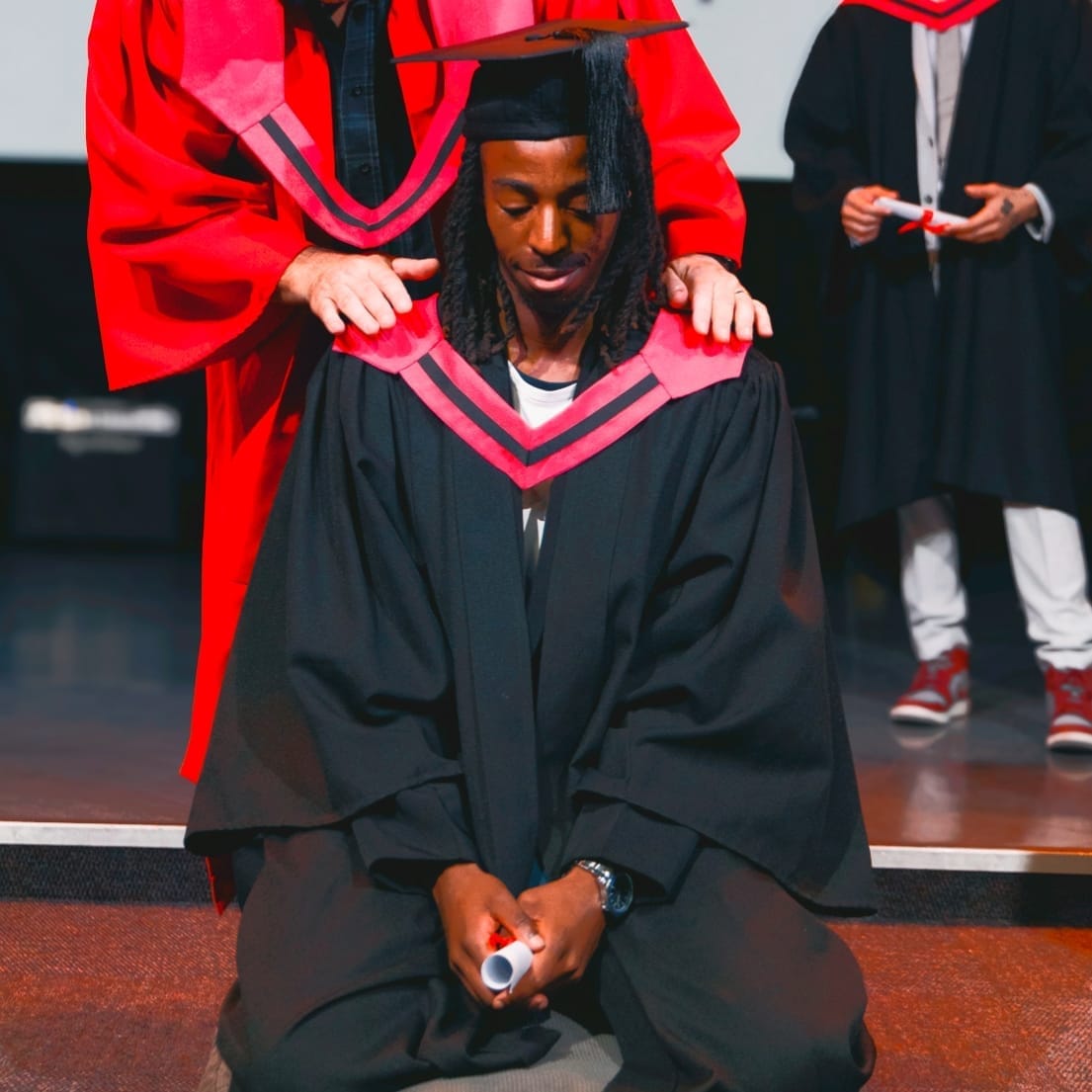
Written by Khumo "Matt Akai" Kekana — hip-hop beatmaker, music business graduate, and community builder helping South African indie rappers take control of their careers.
Khumo studied Music Business at Campus of Performing Arts and uses that foundation to guide independent artists through growth, strategy, and self-sustainability in South Africa's modern hip-hop scene.
Your source of insights and inspiration for the growth of your rap career in SA's landscape.
Keep up with all the latest!
Download our free e-book and get curated content delivered straight to your inbox. Click the button below to download and subscribe.