
Why Every Rapper Needs an Email List in 2026 (Audience Ownership for Independent Artists)
If you’re serious about independent music in 2026, building an email list as a rapper isn’t optional.
I’ve watched talented artists build 50k+ followers and still struggle to sell 100 downloads.
I’ve also watched artists with 1,000 email subscribers quietly sell out merch drops and move real units.
The difference wasn’t talent. It wasn’t consistency. It wasn’t even marketing skill.
It was audience ownership.
In today’s music marketing landscape, attention is everywhere. Access is rare.
And if you don’t own access to your audience, you’re renting your career from social media platforms.
Platforms Change. Your Email List Doesn’t.
One algorithm update can cut your reach in half. Monetization rules shift.
Accounts get flagged. Organic distribution declines.
If your entire fanbase lives on Instagram, TikTok, or YouTube, you don’t control distribution — the platform does.
An email list for musicians works differently.
No algorithm decides who sees your message.
No trending format determines whether your rollout succeeds.
No shadow-ban quietly kills your momentum.
If someone joins your list, you can reach them directly.
That stability is a long-term asset — especially for independent rappers building without label backing.
Direct Communication vs Algorithm Gambling
Posting on social media is algorithm gambling.
You create content. The platform decides visibility. You hope it performs.
Email marketing for artists is intentional communication.
Someone opts in. They give permission. They expect to hear from you.
That psychological shift changes everything.
On social media, you interrupt. On email, you’re invited.
One is passive scrolling. The other is active attention.
If your goal is to turn listeners into real fans — not just views — direct communication wins.
Why Owned Audiences Convert Better (Backed by Creator Economy Data)
Across the creator economy, owned channels consistently outperform rented platforms in revenue generation.
Email marketing continues to report some of the highest ROI in digital marketing — often estimated between $30–$40+ returned for every $1 spent.
Why email converts better for independent artists:
Subscribers opted in
You control timing of releases and announcements
Messaging isn’t competing with endless scroll distractions
You can build narrative over time
For rappers, that translates into:
Higher merch conversion rates
Stronger pre-save participation
Better ticket sales response
More reliable album or beat launches
I’ve seen artists drop a link in bio and get silence.
Then send the same offer to 800 email subscribers and generate real revenue.
Smaller list. Higher conversion. More control.
Because it’s owned media.
Social Media Builds Awareness. Email Builds Leverage.
Social media is powerful for music discovery.
But discovery without ownership is fragile.
The smartest music marketing strategy in 2026 isn’t choosing between platforms and email.
It’s this:
Use social media to attract new listeners.
Use your email list to retain and monetize.
Traffic is rented. Email subscribers are assets.
And assets compound over time.
If you’re building a long-term independent music career, leverage matters more than vanity metrics.
Email Audience Handbook for Rappers
Instead of figuring this out alone, download the Email Audience Handbook for Rappers — a practical, step‑by‑step guide to building an owned audience before your next release.
Inside the handbook:
How to choose the right email marketing platform for musicians
How to set up a simple, high-converting landing page
How to create a lead incentive fans actually want
How to connect your email list to all your social platforms
A clean implementation checklist you can complete in one sitting
If you’re serious about audience ownership, don’t just read about it.
Download the handbook. Set it up. Control your communication moving forward.
Download: Audience Handbook for Rappers
Final Thought: Build Owned Media or Stay Dependent
In 2026, followers are rented. Email subscribers are owned.
One builds surface-level metrics. The other builds career stability and revenue leverage.
If you plan to build a sustainable independent rap career, start treating your audience like an asset.
Build the list. Protect the access. Control the communication.
That’s how you future-proof your music marketing.
About the Author
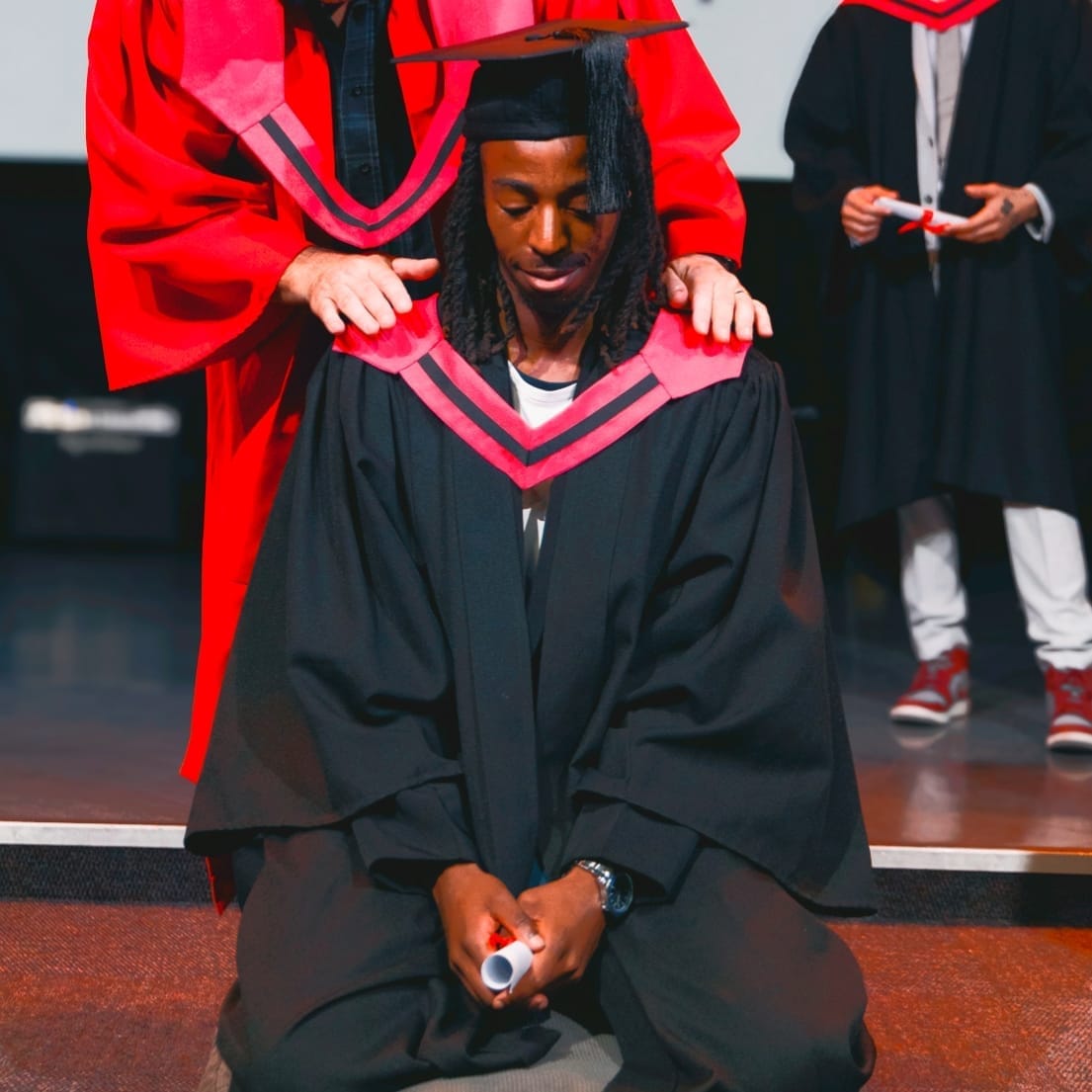
Written by Khumo "Matt Akai" Kekana — hip-hop beatmaker, music business graduate, and community builder helping South African indie rappers take control of their careers.
Khumo studied Music Business at Campus of Performing Arts and uses that foundation to guide independent artists through growth, strategy, and self-sustainability in South Africa's modern hip-hop scene.
Your source of insights and inspiration for the growth of your rap career in SA's landscape.
Keep up with all the latest!
Download our free e-book and get curated content delivered straight to your inbox. Click the button below to download and subscribe.