
Treating Rap Like a Business (Before You Drop Another Song)
Most Rappers in SA Aren’t Failing — They’re Drifting
Here’s the pattern I see over and over.
You love rap.
You write. You record. You drop.
You wait.
You wait for the song to move people.
You wait for numbers to climb.
You wait for someone to validate that you’re not wasting your time.
That waiting feels normal because everyone around you is doing the same thing.
But drifting and operating are not the same thing.
Drifting sounds like:
“Let’s see what happens with this drop”
“I’m just focusing on the music for now”
“I’ll take it seriously when it starts working”
Operating sounds different:
“This is what I’m building”
“This is the role music plays in my life”
“This is what progress looks like even if nobody claps”
One leads somewhere.
The other keeps you busy.
Hope Feels Like Movement — But It Isn’t
I want to call this out clearly, because it traps a lot of rappers.
Hope feels productive.
Hope tells you:
“The next song could change everything”
“I just need one moment”
“If the right ears hear this…”
There’s nothing wrong with optimism.
But hope without structure is just gambling with your time.
When I say “treat rap like a business”, I don’t mean spreadsheets and suits.
I mean intentional operation instead of emotional movement.
Businesses don’t hope.
They plan, test, measure, adjust.
If you’ve been in rap for more than a year and still can’t explain:
what you’re building
who it’s for
what success actually looks like
You’re not stuck.
You’re undefined.
Business Doesn’t Kill Art — It Protects It
This is where most artists push back.
“I don’t want to turn this into a job.”
“I don’t want to lose the love.”
“I don’t want to sound calculated.”
I get that fear. But here’s what I’ve seen in real life.
The rappers who treat their craft seriously:
burn out less
waste less time
make better creative decisions
protect their energy
Structure doesn’t kill creativity.
Chaos does.
When you don’t decide how rap fits into your life, it starts stealing from everything else — your time, your money, your confidence.
A business mindset isn’t about selling out.
It’s about respecting yourself enough to stop moving blindly.
You Must Decide: Hobby or Business (No Grey Area)
This is the most important decision most rappers avoid.
Not because it’s hard.
But because it removes excuses.
If rap is a hobby, that’s valid.
Create freely. Drop when you feel like it. Enjoy the process.
But then you also give up the right to complain about:
slow growth
low income
lack of recognition
If rap is a business, the rules change.
You don’t wait for motivation.
You build systems.
You accept that progress can be quiet before it’s loud.
The problem is trying to live in the middle.
Wanting business results with hobby behaviour will frustrate you every time.
Choosing doesn’t limit you.
It frees you.
Consistency Isn’t About Doing More — It’s About Keeping Promises
Most rappers think consistency means exhaustion.
Posting every day.
Dropping constantly.
Being everywhere.
That’s not consistency.
That’s panic.
Consistency is simply this:
“Can I trust myself to do what I said I would do?”
That might be:
one song every month
one platform you actually show up on
one session per week
one skill you’re improving intentionally
Small standards, kept consistently, beat random intensity every time.
I’ve seen rappers with less talent outperform others purely because they showed up the same way every week.
The 90-Day Test: Are You Serious or Just Inspired?
Long-term dreams sound good, but they don’t move you day to day.
That’s why I always bring things back to 90 days.
Three months is long enough to show effort.
Short enough to expose excuses.
Ask yourself:
“If nothing goes viral in the next 90 days, will I still be able to point at real progress?”
Finished songs.
Audience growth.
Money earned.
Skills improved.
Connections made.
If your only measure of progress is attention, you’ll feel stuck even when you’re moving.
Why This Conversation Matters (More Than Any Song)
I know this isn’t as exciting as talking about gear, drops, or trends.
But this decision — right here — determines whether rap becomes:
a source of confidence
or a source of quiet resentment
Too many SA rappers look back after years and say:
“I was working hard, but I didn’t know what I was working towards.”
I don’t want that for you.
Before the next release.
Before the next post.
Before the next studio session.
Decide how you’re operating.
Everything else in this series builds on that foundation.
Conclusion — Decide Now, Save Years
Here’s the point: the single biggest advantage you can give yourself is a decision. Decide whether this is a hobby or a business. Build a 90-day plan that proves you’re serious. Pick standards you can keep, and measure progress that doesn’t need virality to be meaningful.
This isn’t theoretical. The next release, the next studio session, and the next post are small choices stacked over time. Choose to stack them with intention.
The Artist Commitment Checklist (PDF)
I built the Artist Commitment Checklist to make this practical. It’s fillable, printable, and ready to pin on your wall or add to your phone notes.
Use the checklist to lock in:
Your real reason for making music
Your choice: hobby or business
Your non-negotiable consistency standards
One measurable 90-day goal
Click to download the PDF and use it before your next release:
Download the Artist Commitment Checklist (PDF)
Stay true.
About the Author
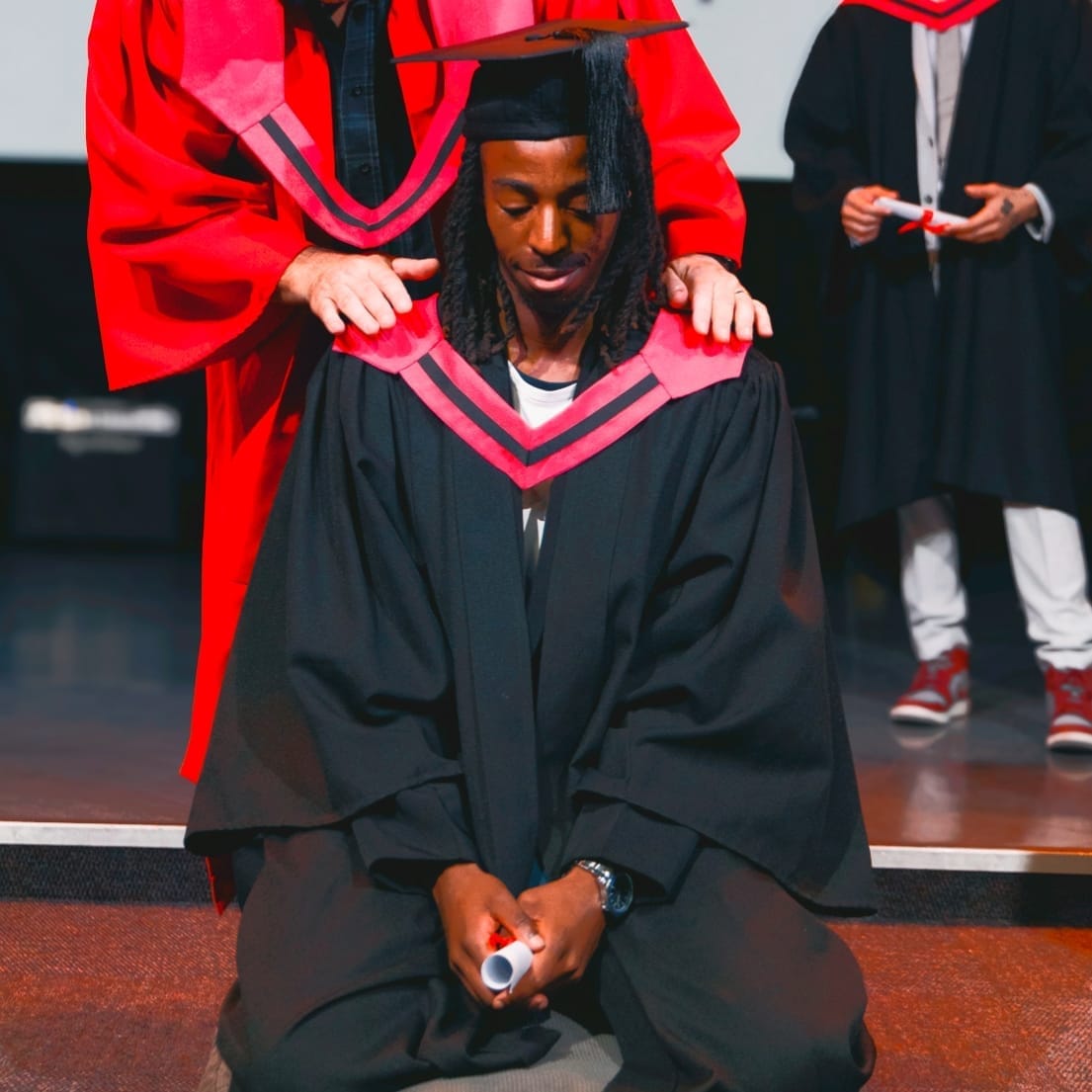
Written by Khumo "Matt Akai" Kekana — hip-hop beatmaker, music business graduate, and community builder helping South African indie rappers take control of their careers.
Khumo studied Music Business at Campus of Performing Arts and uses that foundation to guide independent artists through growth, strategy, and self-sustainability in South Africa's modern hip-hop scene.
Your source of insights and inspiration for the growth of your rap career in SA's landscape.
Keep up with all the latest!
Download our free e-book and get curated content delivered straight to your inbox. Click the button below to download and subscribe.