
The Complete Beginner’s Guide to Beat Licensing for South African Rappers
If you’re an independent rapper in South Africa, understanding beat licensing is one of the most important skills you’ll ever learn — and one of the most ignored. Unlike major markets like the US or UK, licensing still isn’t a standard part of the SA music conversation. Most rappers think “buying a beat” means they now own it. Most producers think selling a beat means they’re giving away all their rights. Because of this gap, people lose money, fight over ownership, and miss out on royalties they’re legally entitled to.
This guide fixes that.
1. Why Beat Licensing Is Still Confusing in South Africa
South Africa is behind when it comes to understanding how beat licensing works. There’s no widespread education on leases, publishing splits, mechanical royalties, Content ID, or how to properly register a song. Most disputes between producers and artists happen because both sides simply don’t know the rules.
If you can understand licensing even at a beginner level, you’re already ahead of the majority of the industry here.
2. What Beat Licensing Actually Means
Beat licensing means you’re getting permission to use the beat — not ownership of it. The producer still owns the underlying composition unless a contract specifically transfers those rights. Buying a beat in most cases is more like buying a “usage ticket” than buying the whole thing.
This follows global industry standards:
A license = permission
Ownership = stays with the creator unless a written contract says otherwise
In SA, this misunderstanding is even worse because people rely on WhatsApp chats instead of contracts.
3. The Types of Licenses You’ll Come Across
You’ll usually see three categories:
Non-Exclusive License
You can use the beat under certain rules, but the producer can license it to other artists too. It’s the most affordable option and perfect for building your catalog.
Exclusive License
You get more control and the producer stops licensing the beat to others. But you still don’t own the composition unless the contract clearly transfers rights. SA artists often confuse exclusivity with ownership — they’re not the same.
Work-For-Hire / Full Buyout
This is when the producer sells most or all their rights. It’s rare in South Africa and must be written properly for it to legally hold up.
4. How Licensing Fits Into the SA Rights System
Every song in SA has two copyright layers:
Composition – the music + beat (producer/writers)
Master Recording – your final recorded song (artist + whoever funded the recording)
To earn money from these layers, you need to be connected to the rights organisations:
SAMRO – for performance rights (radio, live shows, TV)
CAPASSO – for mechanical rights (streams, downloads)
SAMPRA / IMPRA – for master rights and needletime royalties
Most SA songs never generate income because:
They’re not registered correctly
The producer and artist didn’t agree on splits
The license wasn’t written down
If you don’t register your music, the systems can’t pay you.
5. How to License a Beat Properly (Actionable Steps)
Step 1: Find a Producer You Trust
Check their catalog, ask about their licensing options, and make sure they provide written terms.
Step 2: Get a Written License Agreement
A WhatsApp chat is not a contract. Make sure your license includes:
What you’re allowed to do with the beat
Where you can release it
Whether you can monetize it
How long the license lasts
Publishing splits
Master ownership
Whether you can upload to Content ID
Whether stems are included
Step 3: Agree on Splits
Even if you buy the beat exclusively, you still need to clarify:
Who owns what percentage of the master
Who owns what percentage of the publishing
Most SA artists don’t do this, which leads to disputes later.
Step 4: Register the Song with the Right Organisations
To earn royalties:
Register the composition with SAMRO and CAPASSO
Register the master with SAMPRA or IMPRA
Match all metadata with the information in your contract.
Step 5: Distribute the Song with Correct Credits
Your distributor needs:
Producer’s name
Splits
ISRC & ISWC (if available)
Publishing information
Skipping this step is the reason many SA tracks get flagged or lose out on revenue.
6. The Most Common Mistakes SA Rappers Make
Mistake 1: Believing “buying a beat” = owning copyright
You’re licensing it, not owning it, unless a contract states otherwise.
Mistake 2: Not registering with SAMRO/CAPASSO
This alone stops 90% of SA artists from collecting money.
Mistake 3: Using downloaded YouTube beats without a license
This can get your track taken down through Content ID.
Mistake 4: Dropping a hit song without paperwork
Later, when you want radio or sync placements, you’ll hit legal roadblocks.
Mistake 5: Ignoring samples
If the beat contains samples, they must be cleared before monetization.
7. Why Understanding Licensing Gives You an Advantage
Because the industry is still behind on this topic, rappers who understand licensing:
Keep more ownership
Make more money
Avoid disputes
Get better relationships with producers
Move more professionally
Have a higher chance of landing sync placements and brand deals
In SA, simply having the basics locked down makes you stand out.
Final Thoughts
Beat licensing isn’t just a formality — it’s the backbone of protecting your music and making sure you get paid. South Africa is still catching up on these concepts, which means most artists and producers are operating blind. The advantage goes to the ones who learn the basics early.
If you treat your releases like a business, use real contracts, register your songs properly, and work with producers the right way, you’ll earn more, avoid unnecessary drama, and position yourself for long-term success. Beat licensing isn’t meant to complicate your career — it’s meant to secure it.
Further Reading (Highly Recommended)
South African Rights Organisations
SAMRO – https://www.samro.org.za
CAPASSO – https://www.capasso.co.za
SAMPRA – https://www.sampra.org.za
IMPRA – https://impra.org.za
South Africa Music Rights Education
Let’s Get Local – Explainer on SAMRO, CAPASSO and SAMPRA
https://letsgetlocal.co.za/what-you-need-to-know-about-samro-capasso-and-sampra-and-how-to-get-paid
Industry Insight
Music In Africa – Interview with CAPASSO CEO
https://www.musicinafrica.net/magazine/interview-capasso-ceo-jotam-matariro
Policy Document
South African Music Strategy (2024)
https://dsacevents.dsac.gov.za/MusicPolicyHub/documents/FinalMusicStrategy_vf_2024.pdf
About the Author
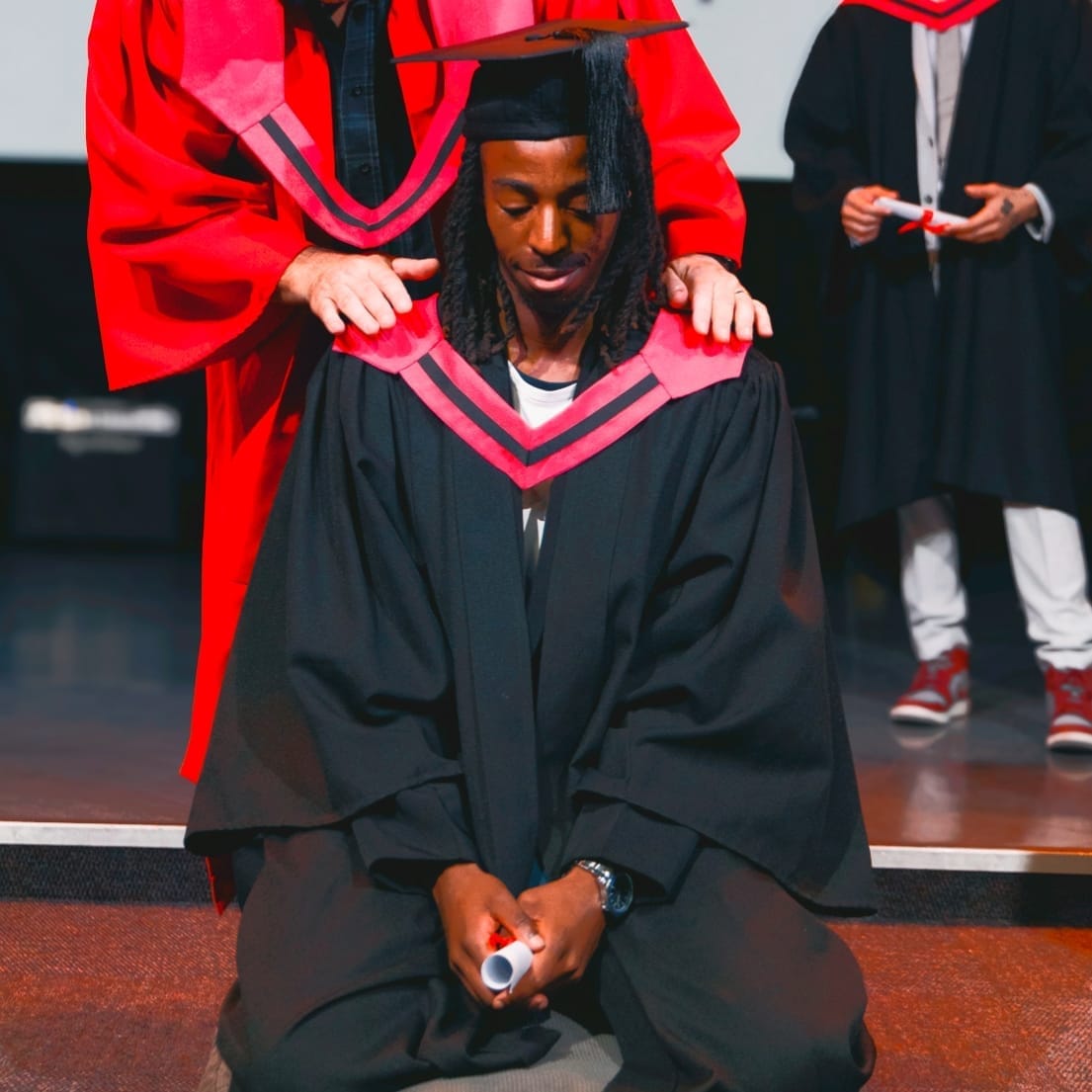
Written by Khumo "Matt Akai" Kekana — hip-hop beatmaker, music business graduate, and community builder helping South African indie rappers take control of their careers.
Khumo studied Music Business at Campus of Performing Arts and uses that foundation to guide independent artists through growth, strategy, and self-sustainability in South Africa's modern hip-hop scene.
Your source of insights and inspiration for the growth of your rap career in SA's landscape.
Keep up with all the latest!
Download our free e-book and get curated content delivered straight to your inbox. Click the button below to download and subscribe.