
Sample Clearance — When You Need It and When You Don’t
I’ve watched artists build momentum… only to pull a song down two weeks later.
Not because the mix was bad.
Not because the rollout failed.
Because someone asked: “Did you clear that sample?”
In South Africa and globally, most independent rappers understand distribution. Few understand sample clearance law. And that ignorance can cost more than studio time ever will.
This breakdown keeps it practical.
What Counts as a Sample Legally?
A sample is any portion of copyrighted audio taken from an existing recording and reused in a new track.
That includes:
2-second chops
Reversed melodies
Pitch-shifted loops
Background textures
Movie dialogue
Vocal phrases
If it comes from a copyrighted recording, it’s legally protected.
There are two copyrights involved:
Sound Recording (Master Rights) – owned by whoever owns the recording
Composition (Publishing Rights) – owned by the songwriters / publishers
Using a sample without permission typically infringes both.
The Hard Truth:
In most jurisdictions (including the U.S., UK, and South Africa), there is no minimum safe duration.
The long-standing industry rule since early 2000s U.S. court decisions is effectively:
If you sample it, you clear it.
There is no “under 5 seconds” loophole.
When Clearing Is Mandatory
Clearance is required when:
You use audio from an existing copyrighted recording
The sample is recognizable or identifiable
The original recording is not in the public domain
You plan to release commercially (streaming, sales, sync, YouTube monetization)
You distribute through DSPs (Spotify, Apple Music, etc.)
If the sample is detectable by content ID systems, assume clearance is required.
Even If:
You changed the pitch
You reversed it
You filtered it
You chopped it beyond recognition
Recognition isn’t the only test.
Ownership is.
When You Don’t Need Clearance
There are legitimate scenarios where clearance is not required:
1. Royalty-Free Libraries
If you obtained the sample under a valid license allowing commercial use.
Pros:
Fast.
Low risk.
Affordable.
Cons:
Non-exclusive.
Other rappers/producers may use the same sounds.
2. Public Domain Recordings
Works whose copyrights have expired.
Pros:
No clearance fees.
Creative freedom.
Cons:
Must verify both composition AND recording are public domain.
Easy to miscalculate expiration timelines.
3. Replay / Interpolation
You recreate the melody yourself without using the original audio.
Pros:
Avoids master clearance.
Only need publishing clearance.
Cons:
Still requires permission from songwriters.
Can still be expensive.
4. Original Composition
No borrowed material at all.
Pros:
Full ownership.
No legal friction.
Better for sync licensing.
Cons:
Requires stronger composition skills.
Less instant nostalgia factor.
What Happens If You Ignore Clearance?
Short-term:
Track stays up.
No issues.
Feels like you got away with it.
Long-term risks:
1. Takedown Notices
Distributors can remove your song instantly.
2. Revenue Claims
Streaming royalties redirected to original rights holders.
3. Legal Action
If a song gains traction, rights holders can:
Demand retroactive licensing fees
Take ownership percentages
Sue for statutory damages
4. Career Reputation Damage
Labels, publishers, and sync supervisors avoid legal risk.
A song with uncleared samples becomes radioactive in business negotiations.
Risk Management Framework (Before You Release)
Instead of asking:
“Will I get caught?”
Ask:
“Is this asset scalable?”
If the answer is no, you’re building on unstable ground.
Here’s the decision filter serious artists use:
Is this a hobby drop or a long-term catalog asset?
Could this song realistically grow?
Would I be comfortable showing this to a label or sync agent?
Can I afford clearance if it blows up?
Do I even know who owns the sample?
If you can’t answer those confidently, you’re operating blind.
The Strategic View for Independent Rappers
Sampling built hip-hop. That’s cultural truth.
But the legal environment changed.
If your goal is:
Long-term catalog ownership
Publishing income
Sync placements
International scalability
Then risk management matters more than nostalgia.
Alternatives That Keep You Safe
If clearance costs aren’t realistic:
Use licensed sample libraries
Work with composers for original instrumentation
Use replay musicians
Explore verified public domain archives
There are also professional sample clearance services that negotiate on your behalf if you’re serious about release strategy.
Pros:
Legal protection
Negotiated splits
Scalability
Cons:
Fees upfront
Percentage concessions
The question isn’t whether sampling is good or bad.
The question is:
Are you building for today… or for 10 years from now?
Download: Sample Risk Assessment Checklist (Before You Release Anything)
Reading about sample clearance is one thing. Applying it consistently is another.
Most clearance problems don’t happen because artists didn’t know the rules.
They happen because nobody slowed down long enough to assess the risk.
That’s why I created a Sample Risk Assessment Checklist you can run through before:
Uploading to Spotify or Apple Music
Pitching for sync
Monetizing on YouTube
Instead of guessing whether a sample is “probably fine,” this checklist forces a clear decision:
Clear it
Replay it
Replace it
Or scrap it
Download the checklist. Add it to your release folder. Use it every time borrowed audio enters your session.
Download: Sample Risk Assessment Checklist
Final Thought
Most artists don’t fail because of talent.
They fail because they ignore structural risk.
If you want ownership, publishing income, and clean scalability — treat sample clearance as part of the production process, not an afterthought.
Before you upload anything:
Run the checklist.
Because deleting a song is easy.
Undoing legal exposure isn’t.
About the Author
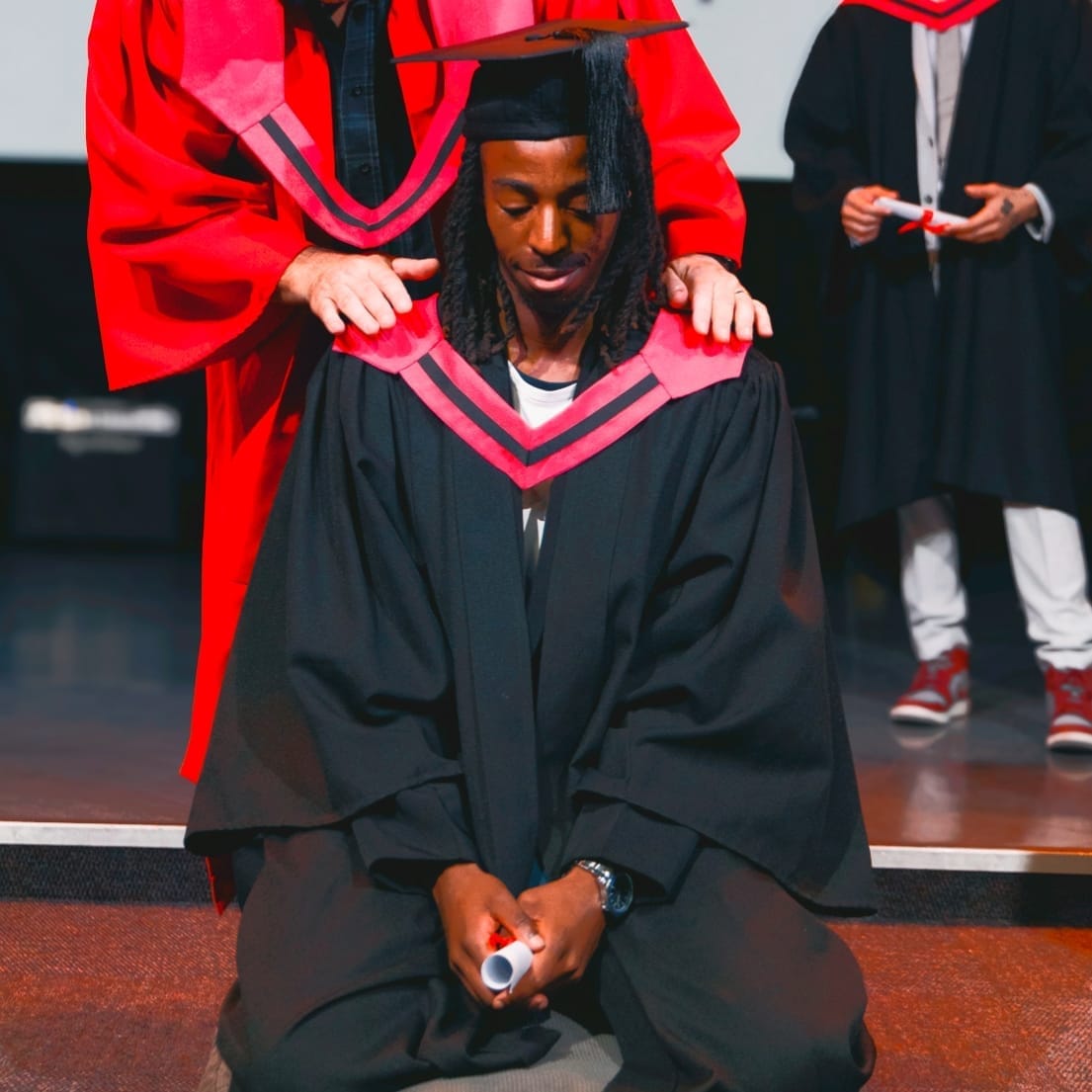
Written by Khumo "Matt Akai" Kekana — hip-hop beatmaker, music business graduate, and community builder helping South African indie rappers take control of their careers.
Khumo studied Music Business at Campus of Performing Arts and uses that foundation to guide independent artists through growth, strategy, and self-sustainability in South Africa's modern hip-hop scene.
Your source of insights and inspiration for the growth of your rap career in SA's landscape.
Keep up with all the latest!
Download our free e-book and get curated content delivered straight to your inbox. Click the button below to download and subscribe.