
How to Position Yourself as a Serious Artist When You’re Still Unknown
Being unknown isn’t the problem. Looking unserious is.
Most artists aren't stagnant because they lack talent — they're stagnant because nothing about their presence signals intention, direction, or professionalism. Fans, collaborators, blogs, and even algorithms respond to signals, not promises.
This guide breaks down exactly how to position yourself as a serious artist before the numbers come, using practical, repeatable steps.
What “Serious Artist” Actually Means
A serious artist isn’t defined by streams or followers. They’re defined by:
Consistent output
Clear artistic direction
Professional presentation
Long-term thinking
Respect for their own work
Serious artists behave like their career already exists — even when it’s small.
Step 1: Decide What You’re Building (Most Artists Skip This)
If someone asked:
“What lane are you in?”
Could you answer in one sentence?
Action: Write a positioning statement:
“I make ___ music for ___ people who care about ___.”
Examples:
“I make introspective hip-hop for lyric-driven listeners who value storytelling.”
“I make underground rap for artists tired of commercial, copy‑paste sounds.”
This will serve as an internal filter. If something doesn’t align with this sentence, you don’t post it.
Step 2: Build a Focused Brand (Not a Loud One)
You don’t need flashy graphics. You need coherence.
What coherence looks like:
Same artist name everywhere
Same profile image (or visual style)
Similar tone across captions, bios, and music
No random content that confuses your message
Checklist:
Artist name locked across platforms
One clear profile photo or logo
Bio that explains what you do (not vague hype)
Clarity beats creativity at this stage.
Step 3: Release Music Like It Matters
Unknown artists often sabotage themselves by releasing casually.
What casual looks like:
Surprise drops with no context
Random singles with no theme
No artwork, or rushed artwork
What serious looks like:
Fewer releases, better planned
Each drop has a purpose (single → EP → project)
Clean metadata, proper artwork, clear credits
Practical rule:
If you wouldn’t defend this release two years from now, don’t drop it.
Step 4: Document Your Process Publicly
You don’t need clout. You need proof of work.
People trust artists who show:
Consistency
Growth
Effort
Content ideas that signal seriousness:
Studio clips
Lyric breakdowns
Writing process explanations
Beat selection discussions
Lessons learned from releases
This reframes you from “trying to blow” to “building a catalogue.”
Step 5: Treat Your Platforms Like a Portfolio
Your Instagram, TikTok, YouTube, or website should answer one question:
“If I discovered you today, would I take you seriously?”
Audit checklist:
Are your best songs easy to find?
Do pinned posts represent your best work?
Does your content reflect growth and intention?
Delete or archive anything that feels unserious, desperate, or off‑brand.
Step 6: Speak Like a Peer, Not a Fan
One of the fastest ways to look unserious is over‑explaining or begging.
Avoid:
“Please support my music 🙏”
“I know I’m small but…”
Replace with:
Clear statements
Confidence without arrogance
Letting the work speak
Mindset shift:
You’re not asking for permission. You’re inviting people into your world.
Step 7: Build Infrastructure Early (Even If It’s Small)
Serious artists prepare before momentum.
Minimum setup:
Email list (even 20 people)
One landing page
Organized files and releases
This shows foresight — something most artists only think about after it’s too late.
Step 8: Collaborate Selectively
Not all exposure is good exposure.
Collaborate with:
Artists in your lane
People with similar standards
Creators who respect their craft
Avoid clout‑chasing collaborations that dilute your identity.
Serious artists protect their name.
Common Mistakes That Kill Serious Positioning
Copying trends with no context
Switching styles every month
Chasing validation instead of building
Prioritizing hype over substance
Unknown is temporary. Confusion lasts longer.
Final Thought: Act Like the Artist You Want to Become
Positioning isn’t pretending.
It’s alignment between:
What you say
What you release
How you show up
You don’t need permission to be serious.
You need standards.
Start acting like your career already exists — and let the numbers catch up later.
About the Author
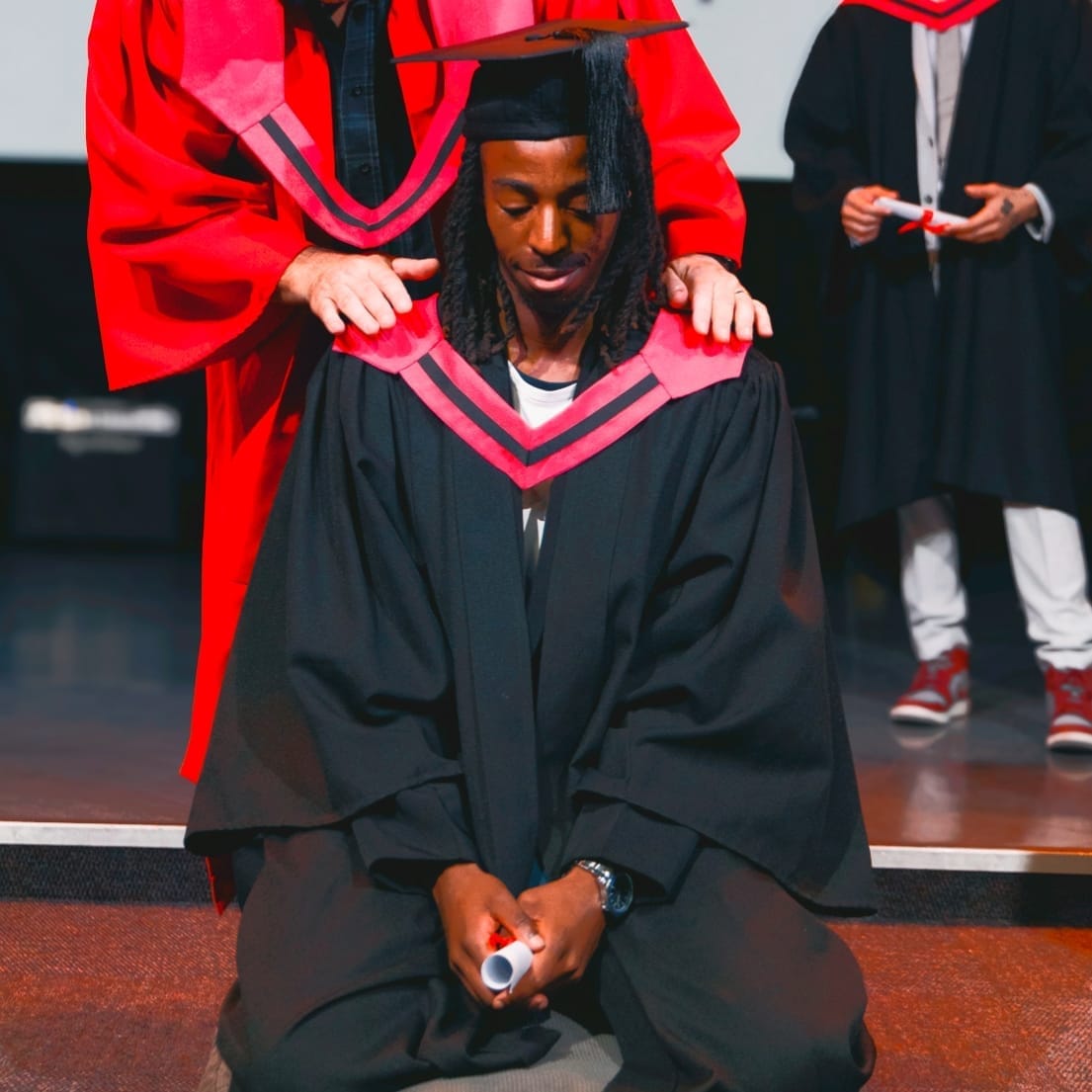
Written by Khumo "Matt Akai" Kekana — hip-hop beatmaker, music business graduate, and community builder helping South African indie rappers take control of their careers.
Khumo studied Music Business at Campus of Performing Arts and uses that foundation to guide independent artists through growth, strategy, and self-sustainability in South Africa's modern hip-hop scene.
Your source of insights and inspiration for the growth of your rap career in SA's landscape.
Keep up with all the latest!
Download our free e-book and get curated content delivered straight to your inbox. Click the button below to download and subscribe.