
How SA Independent Rappers Can Make Money Without a Record Deal — Plus A Concrete 12-month Playbook
You don’t need a label to make money as an artist. Build multiple income streams (streaming + publishing royalties + sync + live + merch + direct fan income + brand deals + services), lock your admin, and use inexpensive distribution, then scale what actually pays. Below is a step-by-step framework, realistic revenue ranges, pros/cons, and exactly what to do next to make a genuine living off your craft.
Why this works right now
Streaming and paid subscriptions in South Africa and Sub-Saharan Africa are growing fast — the region posted double-digit growth recently, and South Africa is the largest market in the region. That creates real opportunity for independent artists to earn from streams and exports.
Platforms and services (digital distributors, YouTube monetization, collection societies, crowdfunding tools) let independent rappers collect money and keep rights — you must register and manage them.
The money streams — what they are, how to start, realistic expectations
I list each stream, step-by-step setup, a realistic earnings picture and pros/cons.
1) Streaming (Spotify, Apple Music, Boomplay, YouTube Music)
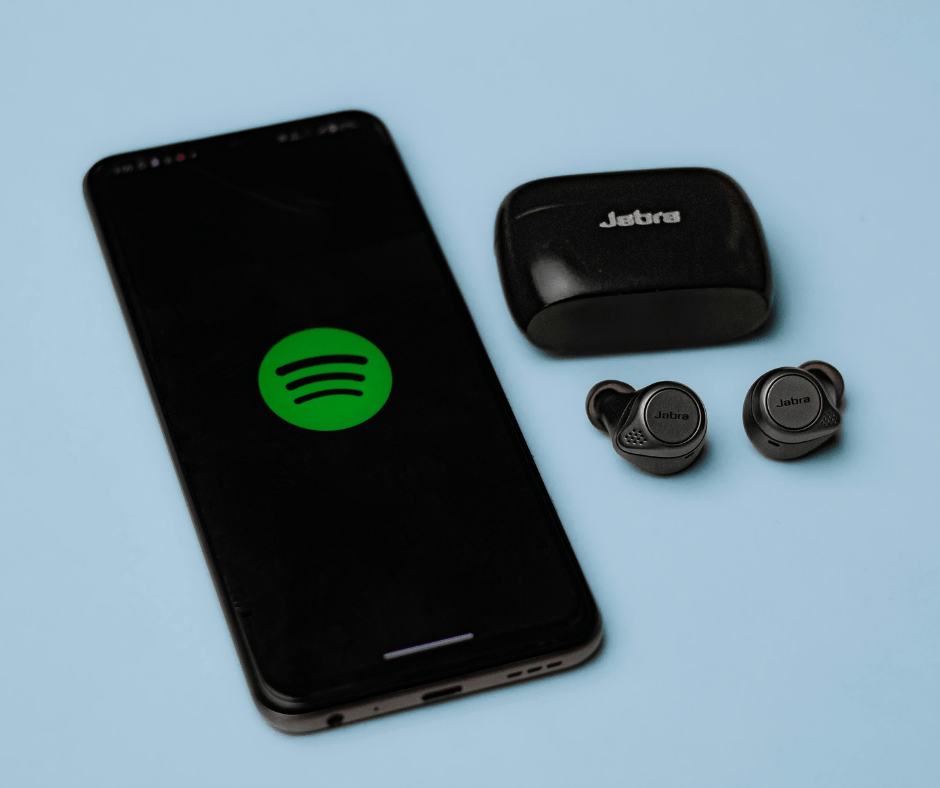
What it is: This is income earned when your songs get played on digital streaming platforms. Each stream pays you a small amount, but the real value comes from consistency, playlisting, algorithm pushes, and building a dedicated listener base. It’s long-term, passive income that grows as your catalogue grows.
How to start (actionable):
Choose a distributor (DistroKid, TuneCore, CD Baby, Ditto, etc.). Upload your masters and metadata. Keep ownership.
Claim artist profiles (Spotify for Artists, Apple Music for Artists, YouTube Music/Artist Hub). Use them to pitch playlists and track performance.
Run a pre-save campaign for releases; push to playlists (user playlists, curators, local tastemakers).
Realistic money: Most indie rappers see streaming as visibility first; small to mid indie artists often report streams as 0–10% of total revenue unless they hit large playlist or viral growth. South Africa’s market growth does mean higher payouts regionally, but don’t expect label-level advances from streams alone.
Pros: Passive once set up, global reach.
Cons: Low per-stream rates; requires volume or virality to scale.
2) Publishing & Performance Royalties (SAMRO / RISA / Publishers)
What it is: This is money earned from the songwriting and composition side of your music. Every time your music is played publicly—on radio, TV, live shows, venues, or even streams—you earn royalties. SAMRO handles performance royalties, RISA handles mechanicals, and publishers help collect what you’re owed worldwide. Even indie rappers with small numbers can earn from this if everything is registered properly.
How to start:
Register as a writer/composer with SAMRO. Register each song with accurate splits and ISWC/ISRC via your distributor.
If you collaborate, document splits in writing before release.
Realistic money: Performance/publishing often pays better per-use than streaming for local radio, clubs, and TV syncs — but you must be registered and tracked. Concerts + radio plays + syncs are where these add up.
Pros: Recurring, often under-monetized by peers (so easy wins).
Cons: Admin heavy; you only get paid if registered and tracked properly.
3) Live Shows, Gigs & Touring
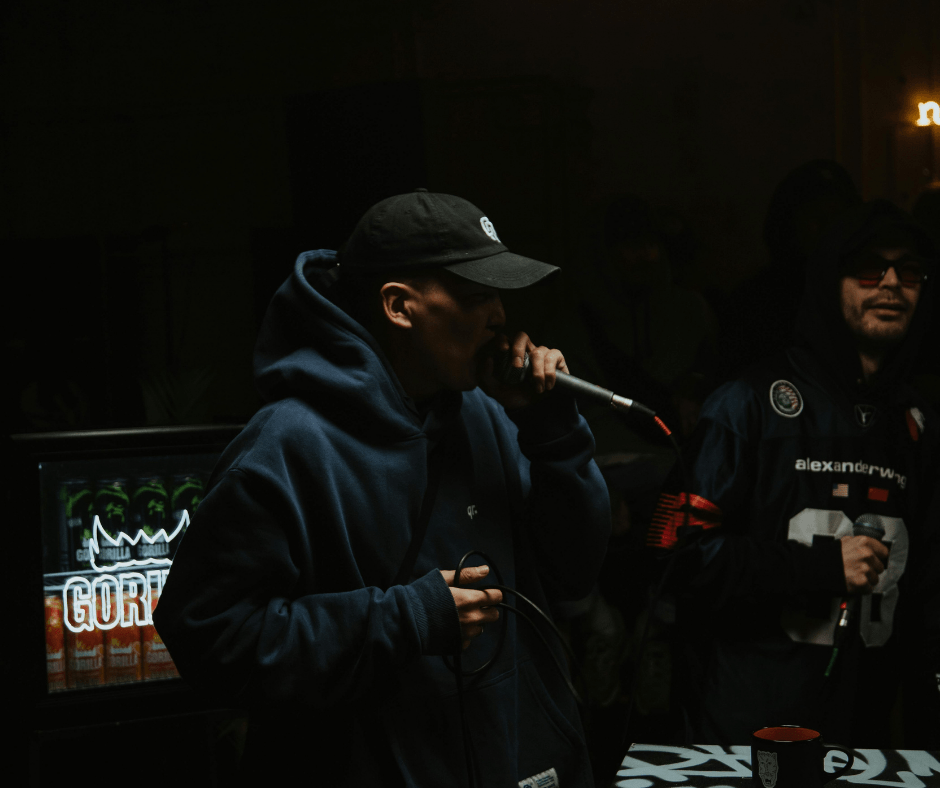
What it is: This is income from performing your music at events—clubs, festivals, private functions, colleges, brand activations, and tours. It’s one of the most direct and high-margin income streams for rappers because you’re paid for your presence, energy, and ability to attract a crowd.
How to start:
Build a local reputation (open mics, community shows, campus gigs). Book consistently — even small fees add up.
Use a simple rider and merch setup; have a payment method for card/mobile money.
Start with paid local shows, then expand regionally.
Realistic money: Small-venue gig in SA can pay from a few hundred to several thousand rand (plus merch). Festivals pay more but require proof of draw. Live still often becomes the biggest single line on an indie artist’s income statement.
Pros: Highest margin (cash at the door + merch), builds superfans.
Cons: Costs (travel, production); requires consistent booking and an audience.
4) Merch (T-shirts, physicals, bundles)
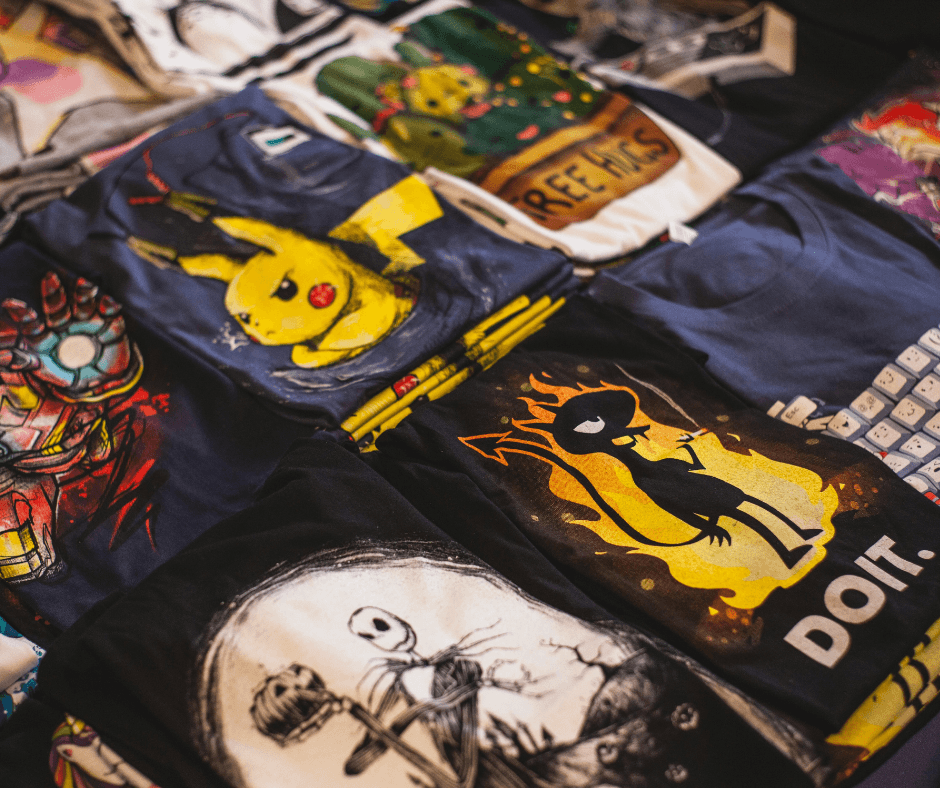
What it is: Selling physical or digital products tied to your brand, like clothing, signed CDs, vinyl, posters, or bundle packages. It’s a way for fans to support you directly while showing their loyalty, and it also reinforces your artist identity.
How to start:
Launch small drops—design a simple tee and bundle it with a signed copy of a release or a VIP ticket.
Use print-on-demand to avoid inventory risk, or do limited runs to create scarcity.
Realistic money: Margins are high on direct merch; a few good drops from a core fanbase can out-earn streaming for months.
Pros: Direct fan revenue, builds brand.
Cons: Fulfilment headaches unless outsourced.
5) Sync & Licensing (ads, TV, brands, games)
What it is: Getting your music placed in visual media such as commercials, TV shows, films, games, or online content. Brands and producers pay to legally use your music, giving you both exposure and one-time or recurring payments.
How to start:
Make instrumentals and stems available; have clean metadata and contact details.
Pitch to local agencies, music supervisors, YouTube channels, and independent filmmakers. Use platforms like Songtradr or direct outreach.
Realistic money: Single sync placements can pay from pocket change to 5-figure rand deals depending on use. Syncs are hit-driven but lucrative when they land.
Pros: High one-time payments + exposure.
Cons: Competitive; requires proactive pitching and rights clarity.
6) Direct fan income — Crowdfunding, Patreon, Bandcamp, Tip jars
What it is: Revenue that comes straight from your fans in exchange for exclusive access, early releases, content, or perks. You can set up recurring payments (Patreon, Ko-fi) or one-time purchases (Bandcamp, tip jars).
How to start:
Offer tiers: early releases, exclusive tracks, beat breakdowns, monthly Q&As, or private listening sessions.
Use Bandcamp drops (great for direct sales) and Patreon or Ko-fi for recurring support.
Realistic money: Small dedicated fanbase of 200 people paying a few USD/Rand/month is a reliable baseline income. Many indie artists find this replaces part of label advances. Research shows indie artists often rely on crowdfunding + merch + gigs more than streaming alone.
Pros: Predictable recurring revenue; deepens fan relationships.
Cons: Requires content you can consistently deliver.
7) Brand deals, sponsorships, paid content

What it is: Partnerships with companies that pay you to promote products, appear at events, or co-create content. These deals leverage your audience and influence to generate income outside traditional music sales.
How to start:
Build a media kit (audience demographics, engagement metrics, past work).
Pitch local brands, fashion labels, alcohol (careful with restrictions), and apps — start small: paid posts, event appearances, or co-branded merch.
Realistic money: Can range from small product exchanges to meaningful fees. Once you show conversion (clicks, sales), you can command higher rates.
Pros: High per-campaign payouts.
Cons: Negotiation needed; maintain authenticity to not alienate fans.
8) Teaching, Workshops & Features
What it is: Offering your skills as a rapper for educational purposes or collaborations. This includes teaching classes, hosting workshops, or providing feature verses for other artists or projects, usually in exchange for payment.
How to start:
Offer studio sessions, songwriting workshops, beat-selection coaching, or online masterclasses.
Charge per session or run a small course. Promote to local universities, community centres, or online.
Realistic money: Good hourly rates; workshops and online courses can scale.
Pros: Low admin, can start immediately.
Cons: Time-intensive; caps on one-to-one income without scaling.
9) Features, Ghostwriting & Songwriting for Others
What it is: Writing lyrics or performing on another artist’s track for a fee or revenue share. This monetizes your talent while potentially growing your network and reputation in the music community.
How to start:
Record a few feature verses or written songs to showcase your style.
Decide on a flat fee, revenue share, or both, and put it in writing with a simple contract.
Reach out to other artists, producers, and managers locally or online to find your first paid opportunities.
Pros: Immediate cash.
Cons: Risk of over-committing and diluting your brand if you feature too frequently.
10) YouTube (Ad revenue, Content ID, Shorts, memberships)
What it is: Earning money from your videos on YouTube through ads, content recognition (Content ID), fan memberships, and short-form content. It’s both a revenue source and a platform to showcase your music and personality to a global audience.
How to start:
Claim a YouTube channel, enable monetization, and register with Content ID via your distributor or a third-party if you own the master.
Post consistent content (music videos, behind-the-scenes, vlogs) and use memberships.
Realistic money: YouTube can be inconsistent but scales with watch time and upload frequency. Combine ad revenue + Content ID + direct tips for best results.
Pros: Visual platform with discovery; shorts can push virality.
Cons: Ad revenue is variable; requires regular video content.
Concrete 12-month playbook (what to do next — prioritized)
Month 0 (setup):
Register with SAMRO (or songwriter society) and make sure you’re listed as composer/writer. Choose a distributor and upload at least one release (complete metadata, ISRCs).
Create Spotify for Artists, YouTube channel, and Apple Music artist
accounts.
Month 1–3 (release + activation):
Release a single with a pre-save campaign; pitch to playlists and local blogs.
Run a small merch drop tied to the single (limited run).
Book 3–6 local shows (campuses, community events).
Month 3–6 (fan monetization):
Launch a Patreon or Bandcamp page with a low-tier offering.
Start pitching sync (assemble an EPK and stems).
Offer 1-2 workshops or paid studio sessions.
Month 6–12 (scale):
Use data (Spotify for Artists) to identify top 10 streaming territories and target ads/booking there.
Run targeted brand pitches once you have consistent engagement metrics.
Repeat release cycles, small tours, and two merch drops per year.
Admin & legal checklist (don’t skip these)
Register with a collecting society (SAMRO).
Keep a folder with split agreements for collaborations.
Use contracts for paid features, syncs, and brand deals.
Keep accurate metadata (writer names, splits, ISRCs, ISWCs) for every release.
If using samples, clear them before commercial exploitation.
Final thought —
a forward-thinking, practical mantra
Treat your career like a small business: diversify revenue, measure what works, and automate admin. Streaming gives reach; publishing and syncs give sustainable payouts if you do the paperwork. Live and direct fan revenue pay the bills early. Reinvent one income stream every 6–12 months (e.g., launch merch lines, start a membership tier, create sample-free acapellas for sync buyers). South Africa’s market is growing — position yourself to capture local growth first, then export your sound.
Sources & further reading
(key references)
IFPI Global Music Report / 2024–2025 trend summaries (streaming growth):
SAMRO – how to register and collect royalties in South Africa:
National Arts Council (NAC) funding and calls (apply for project grants):
“Revenue Streams for Music Creators in South Africa” (ConcertsSA / Music in Africa report):
Reporting on Spotify payouts increase to South African artists (Reuters):
About the Author
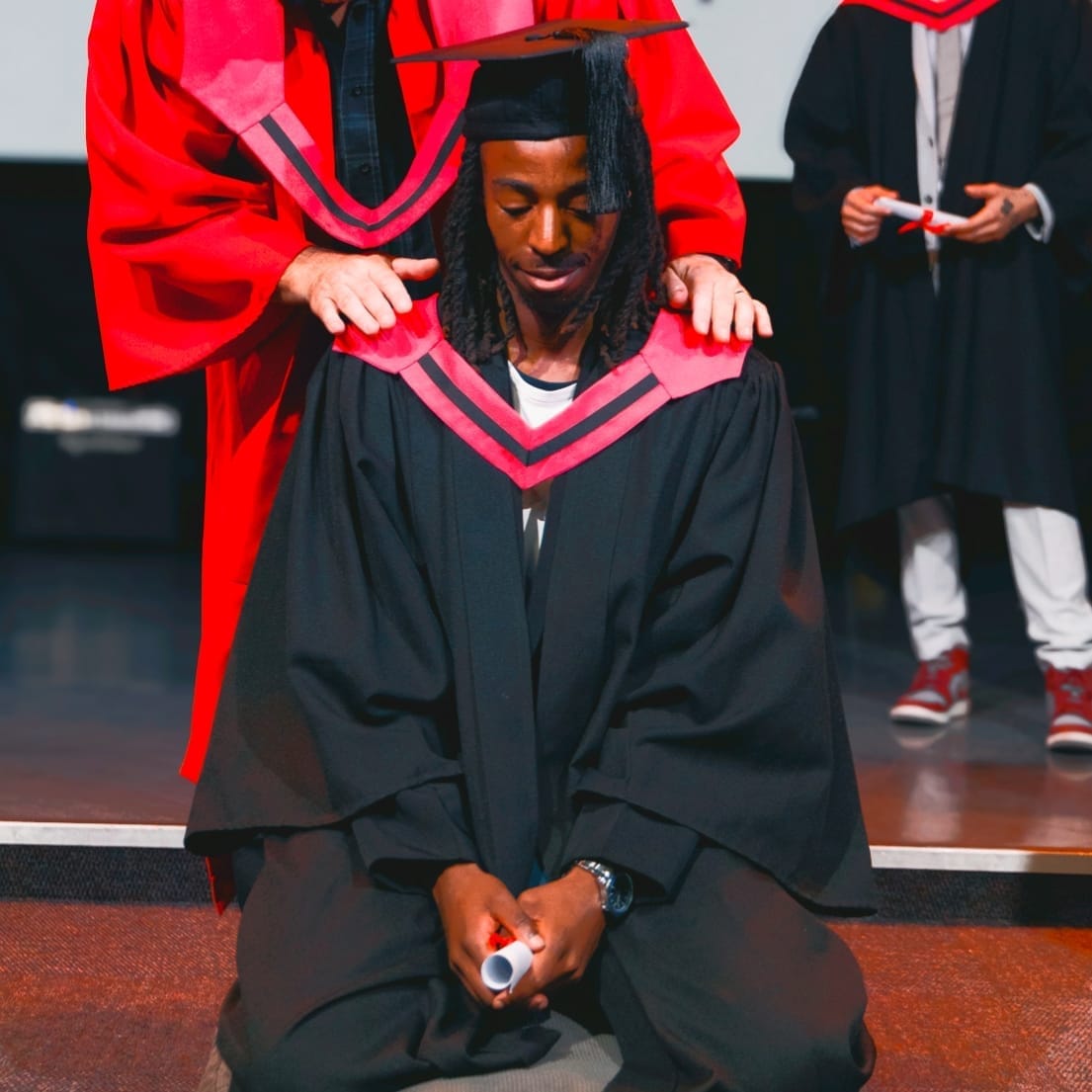
Written by Khumo "Matt Akai" Kekana — hip-hop beatmaker, music business graduate, and community builder helping South African indie rappers take control of their careers.
Khumo studied Music Business at Campus of Performing Arts and uses that foundation to guide independent artists through growth, strategy, and self-sustainability in South Africa's modern hip-hop scene.
Your source of insights and inspiration for the growth of your rap career in SA's landscape.
Keep up with all the latest!
Download our free e-book and get curated content delivered straight to your inbox. Click the button below to download and subscribe.