
Crafting a Signature Sound: A Practical Guide for South African Rappers
If you want longevity in South African Hip-Hop, you can’t sound like the next guy. A signature sound isn’t a luxury — it’s the only real competitive advantage an independent rapper has. It’s the difference between being another name in the algorithm and becoming an artist people recognise from the first bar.
This guide breaks down the practical steps, tools, and mindset shifts South African rappers can use to carve out a sound that’s authentic, marketable, and built to last.
1. Understand Your Influences Without Copying Them
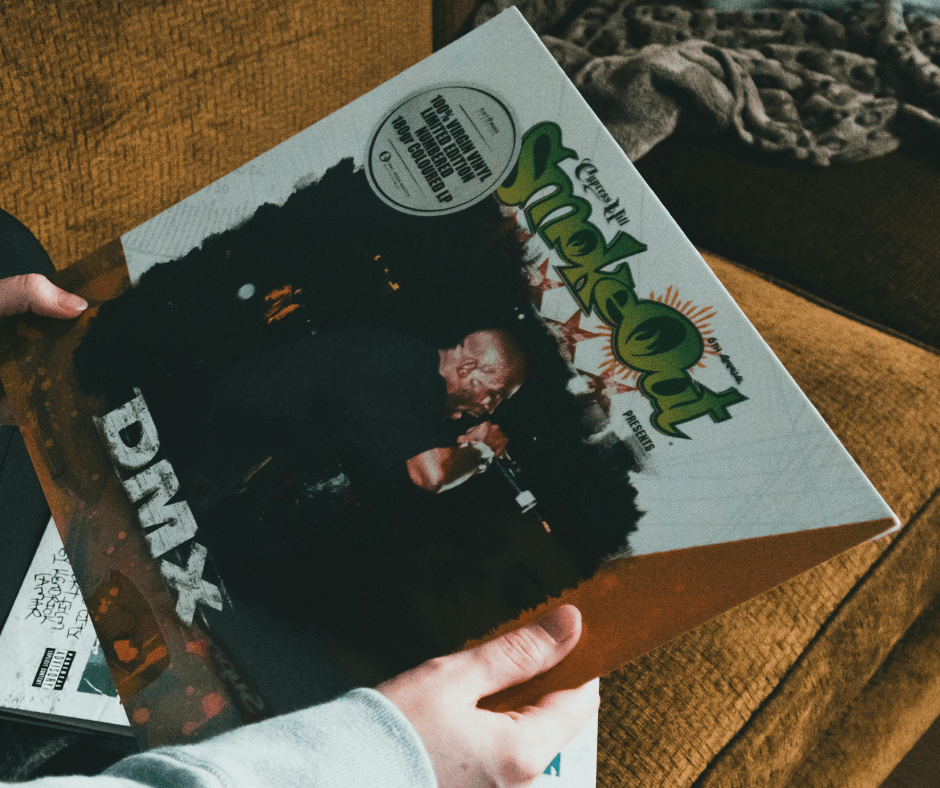
Every artist starts as a combination of inspirations. The trick is using them as raw material, not templates.
Practical approach:
List your top 5 SA influences (e.g., A-Reece, Zakwe, HHP, YoungstaCPT).
List 5 global influences.
Identify what exactly you like about them: flow patterns, beat textures, storytelling style, vocal tone, etc.
Keep the strengths — ditch the mimicry.
Evidence: Many iconic artists (Kendrick, Tyler, Nasty C) openly discuss how they transformed influences into original elements rather than duplicates.
2. Build Vocal Identity: Flow, Tone & Delivery
Your voice is the most controllable part of your sound.
Key elements to experiment with:
Tone: gritty, smooth, conversational, aggressive, airy
Pace: fast, slow, laid-back, off-kilter
Texture: whispers, yells, layered doubles, raw takes
Cadence: how you ride the beat, not just what you say
Realistic tip:
Record yourself on different beat types — boom bap, trap, drumless, amapiano-infused Hip-Hop — then compare what feels most natural and distinctive.
Forward-thinking angle:
AI voice tools will make imitation easier. Authentic vocal identity becomes your moat.
3. Choose Beats That Amplify Your Identity, Not Hide It
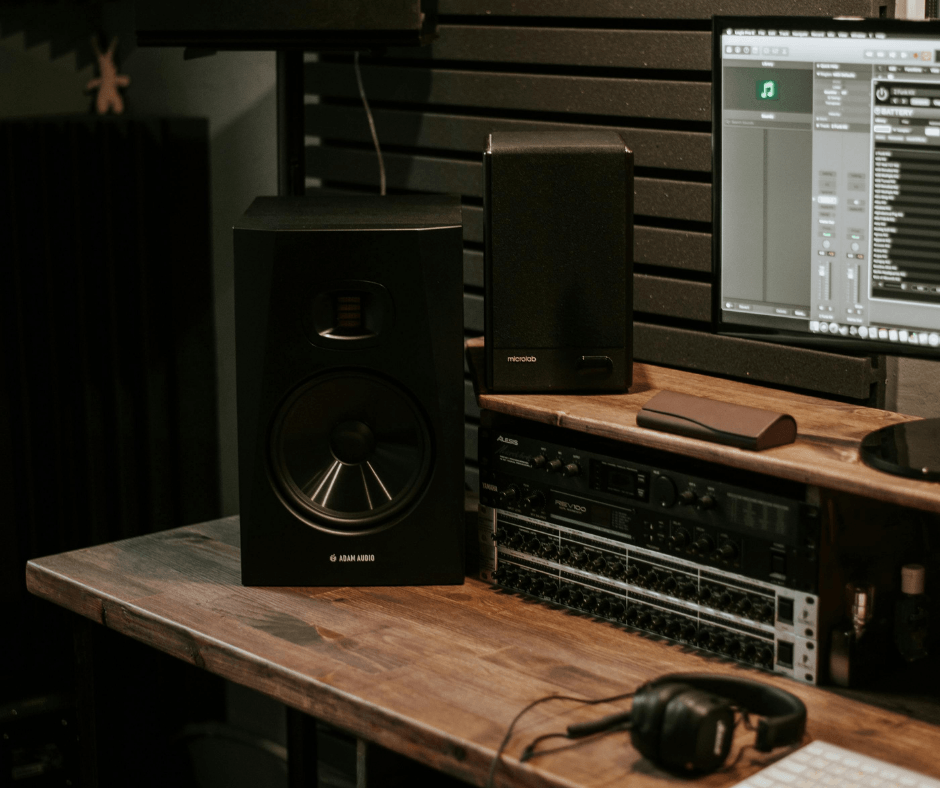
Your beat selection will either elevate your uniqueness or bury you in type-beat sameness.
Avoid:
Generic YouTube type-beat structures
Overused drum kits
“Industry standard” loops everyone uses
Prioritise:
Producers who experiment
Beats with unusual textures, sample choices, swing, or groove
Emotional resonance (ask: “Does this sound like me?”)
Alternative approach if you’re on a tight budget:
Dig into lesser-known producers on SoundCloud, Instagram, or TikTok
Use vintage sample packs or royalty-free underground packs
Collaborate with emerging beatmakers who want placements
4. Blend South African Identity Into the Sonics

Your roots are your superpower.
Ways to infuse local flavour authentically:
Indigenous rhythms (kwaito bounce, gqom textures, mbaqanga guitars)
Township linguistics, slang, and cadence
Storylines rooted in SA lived experiences
Local references, not clichés
Evidence:
Artists like YoungstaCPT, Maglera Doe Boy, and Blxckie built movements by leaning heavily into local identity rather than running from it.
5. Refine Your Lyrical Personality
Your bars should carry your worldview.
Questions to define your lyrical identity:
What do you stand for?
What themes show up in your writing repeatedly?
What’s your emotional range (aggressive, reflective, humorous, poetic)?
What do you say differently from others?
Realistic perspective:
A signature sound is as much about what you say as how you say it.
6. Experiment Ruthlessly — Then Commit
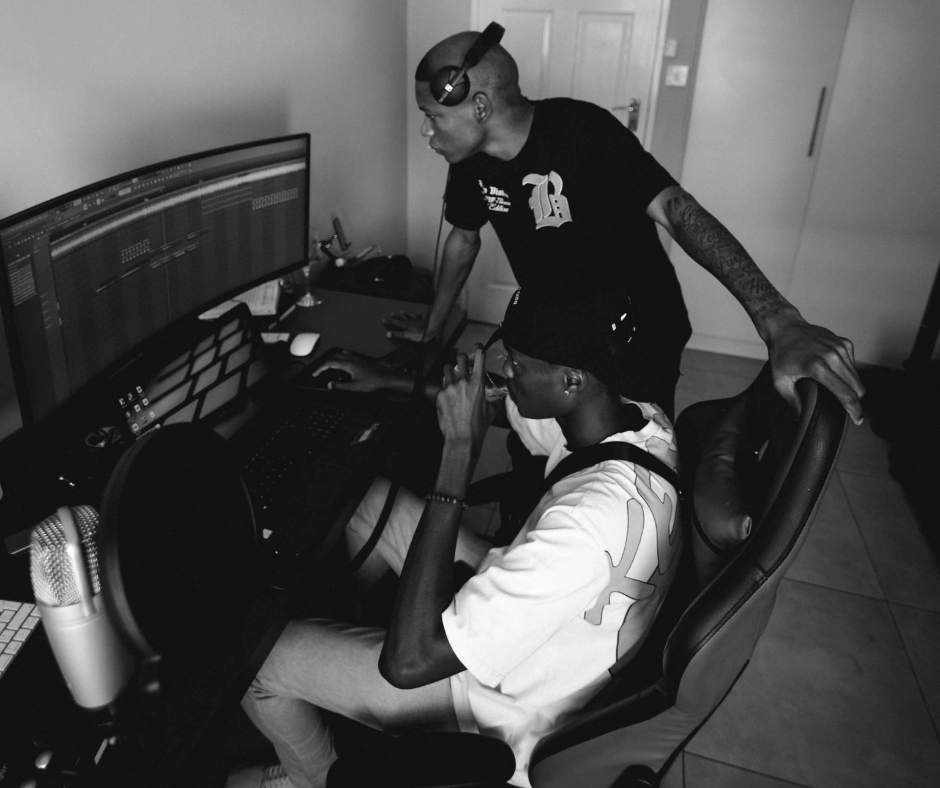
Most artists stop experimenting too early.
Practical system:
Create 20–30 drafts across different styles
Eliminate the ones that feel forced
Narrow down to the styles that feel undeniably “you”
Develop those three pillars into a cohesive sonic identity
Forward-thinking angle:
Future audiences value consistency with personality. If your sound feels like a brand, fans trust you.
7. Test With Real Listeners — Not Friends

Friends will lie to protect your feelings. Strangers won’t.
Where to test your sound realistically:
TikTok snippets
Reels
Discord rap communities
Open-mic events
Early access groups
Track what people replay, comment on, and DM you about.
8. Build a Sound That Works Live AND Online

A signature sound must hold up everywhere.
Online demands:
Strong replay value
Short hooks for short-form content
Clean low-end for mobile listening
Live demands:
Energy
Breathable pockets
Performance-friendly flows
Alternative:
If your recorded sound doesn’t translate live, restructure the arrangement or adjust the production to give you more space.
Final Word: Your Sound Is Your Brand
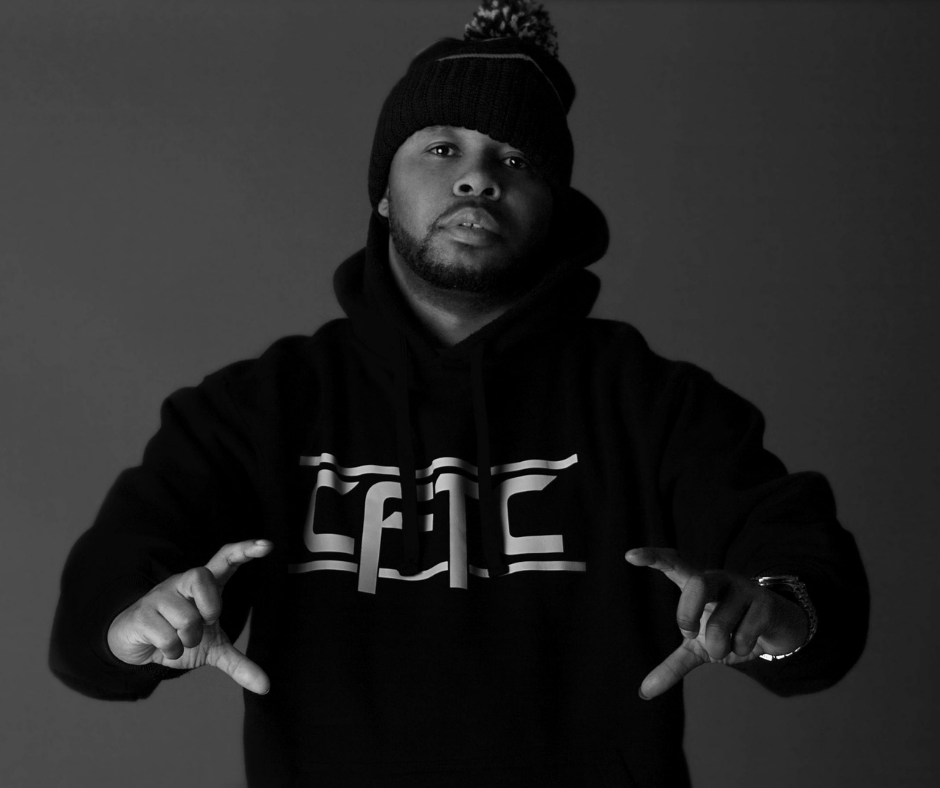
Rappers who build a signature sound don’t just create music — they create identity, culture, and community.
A distinct sonic fingerprint is the foundation for long-term independence, stronger marketing, and a loyal fan base that sticks with you beyond trends.
About the Author
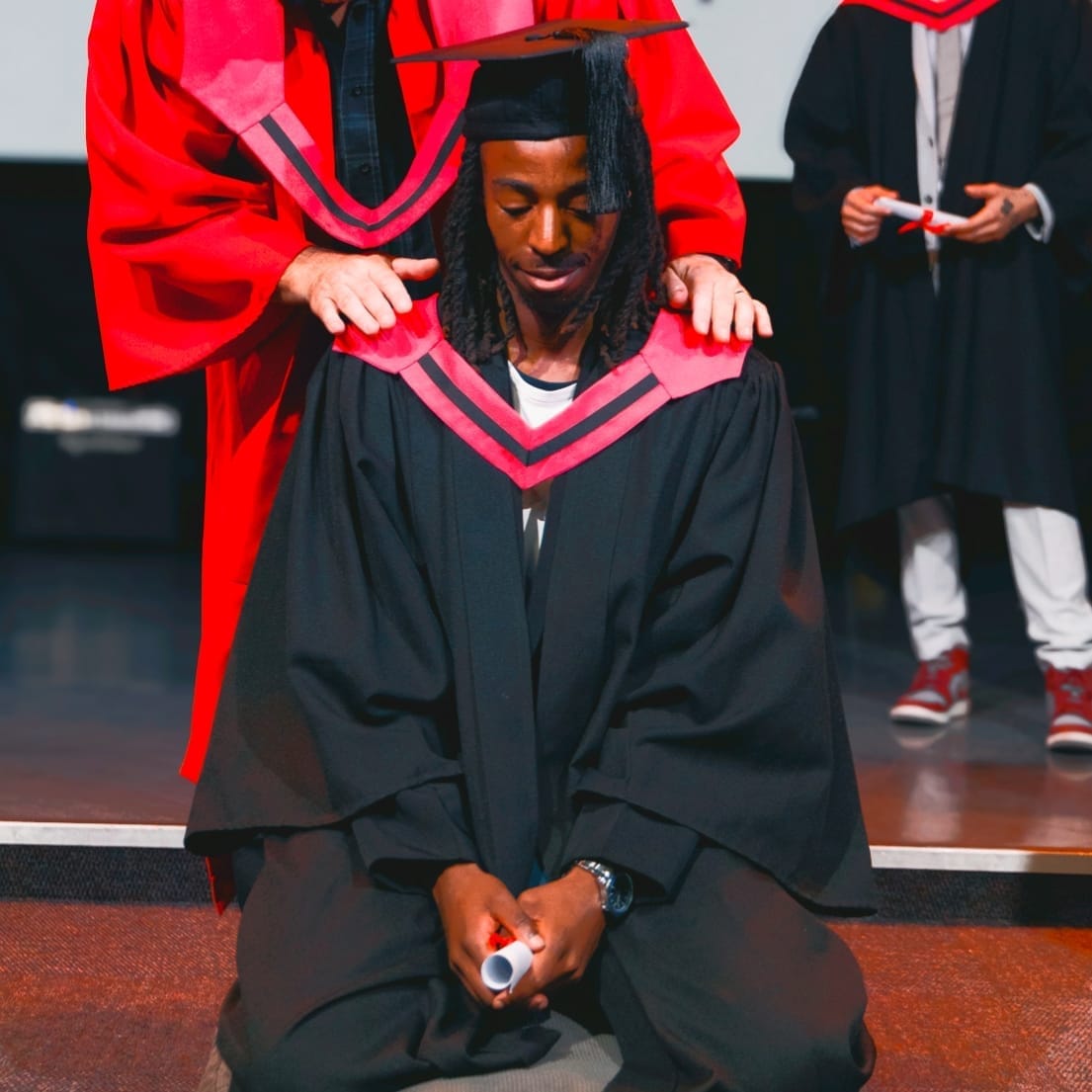
Written by Khumo "Matt Akai" Kekana — hip-hop beatmaker, music business graduate, and community builder helping South African indie rappers take control of their careers.
Khumo studied Music Business at Campus of Performing Arts and uses that foundation to guide independent artists through growth, strategy, and self-sustainability in South Africa's modern hip-hop scene.
Your source of insights and inspiration for the growth of your rap career in SA's landscape.
Keep up with all the latest!
Download our free e-book and get curated content delivered straight to your inbox. Click the button below to download and subscribe.