
Building a Simple Release Plan (Without Overcomplicating It)
Most independent releases don’t fail because the music is weak.
They fail because the rollout is either:
Overcomplicated (too many moving parts → nothing gets executed properly)
Or non-existent (track drops… and that’s it)
The goal isn’t to build a “perfect” rollout.
The goal is to build a repeatable system you can actually execute every time.
Clarity beats complexity.
The Reality Most Artists Ignore
A release isn’t a single moment.
It’s a 3-phase process:
Pre-release (build attention)
Release (capture attention)
Post-release (extend attention)
Most artists only show up for phase 2.
That’s why the drop feels quiet.
The Minimum Viable Rollout (MVR)
Before we go deep, here’s the stripped-down version that actually works:
If you only do this, you’re already ahead of most artists:
2 weeks of pre-release content
1 strong release day push
2 weeks of post-release content
That’s it.
No complex campaigns. No “viral strategy” obsession.
Just consistency around one record.
Phase 1: Pre-Release (Build Attention)
Goal: Make people aware something is coming
Timeline: 10–14 days before release
What to actually do
Tease the track (snippets, visuals, captions)
Introduce the idea behind the song
Show parts of the process (studio clips, writing moments)
Start saying the release date out loud
What this looks like in real life
Week -2:
Clip 1: Short snippet (no context)
Clip 2: “Made this at 2am” type post
Clip 3: Lyric highlight
Week -1:
Clip 4: Clear snippet with hook
Clip 5: Talk about what the song is about
Clip 6: “Dropping this Friday” (clear CTA)
Mistake to avoid
Trying to “go viral” before the drop.
You don’t need virality. You need familiarity.
People support what they’ve seen multiple times.
Phase 2: Release (Capture Attention)
Goal: Turn attention into action (streams, saves, shares)
Timeline: Release day (and 48 hours after)
What to actually do
Drop the song everywhere
Post your strongest content piece
Make it clear the song is OUT now
Give people a reason to care immediately
What this looks like in real life
Release Day:
Main post: Best-performing snippet or visual
Caption: Clear + direct (“OUT NOW”)
Link in bio updated
Next 48 hours:
1–2 more posts reinforcing the drop
Reply to every comment
Push engagement manually (DMs, close supporters)
Mistake to avoid
Treating release day like the finish line.
It’s the starting point of the real push.
Phase 3: Post-Release (Extend Attention)
Goal: Keep the song alive long enough to grow
Timeline: 10–14 days after release
What to actually do
Keep posting content around the same track
Show different angles (lyrics, meaning, reactions)
Repackage the same song in multiple ways
What this looks like in real life
Week +1:
Clip: Different part of the song
Clip: Lyric breakdown
Clip: Performance-style video
Week +2:
Clip: “Underrated song I dropped” angle
Clip: Story behind the track
Clip: Call to action (“if you missed this…”)
Mistake to avoid
Getting bored of your own song too early.
Most listeners are hearing it for the first time… while you’ve heard it 1000 times.
The Timeline That Actually Works
Here’s the full simple rollout mapped out:
Week -2 (Start teasing)
2–3 posts
Week -1 (Build clarity)
3 posts
Start mentioning release date clearly
Release Week
2–4 posts (heavy focus on drop)
Week +1
2–3 posts
Week +2
2–3 posts
Total: ~10–15 pieces of content per release
That’s manageable.
And more importantly — repeatable.
Pros vs Cons of Keeping It Simple
Pros
Easier to stay consistent
Less burnout
Clear focus (one song at a time)
Builds a repeatable system
Cons
Slower growth vs high-budget campaigns
Requires discipline (no skipping phases)
Relies heavily on content execution
Download: Release Playbook
If you want your next drop to actually land… this is where to start.
This playbook gives you ready-to-use release ideas, proven strategies, and structured rollout methods you can follow immediately.
Inside, you’ll get:
Release ideas you can use or expand on (no more guessing what to post or say)
Multiple rollout methods based on real artist strategies (adapted for independent rappers)
Plug-and-play rollout structures (7-day, 14-day, 30-day)
Content angle bank (snippets, captions, story-driven posts, post-release content)
Audience-building tactics to turn attention into actual fans
Longevity strategies to keep your song alive beyond release week
Everything is practical.
Everything is adaptable.
Everything is built to help you move from random drops → intentional launches.
No theory.
Just execution.
Download: Release Playbook
Final Thought
Most artists delay releases because they think they need a complex plan.
In reality, complexity is what delays them.
A simple rollout done consistently will outperform a “perfect” rollout that never happens.
Drop more. But more importantly — support each drop properly.
About the Author
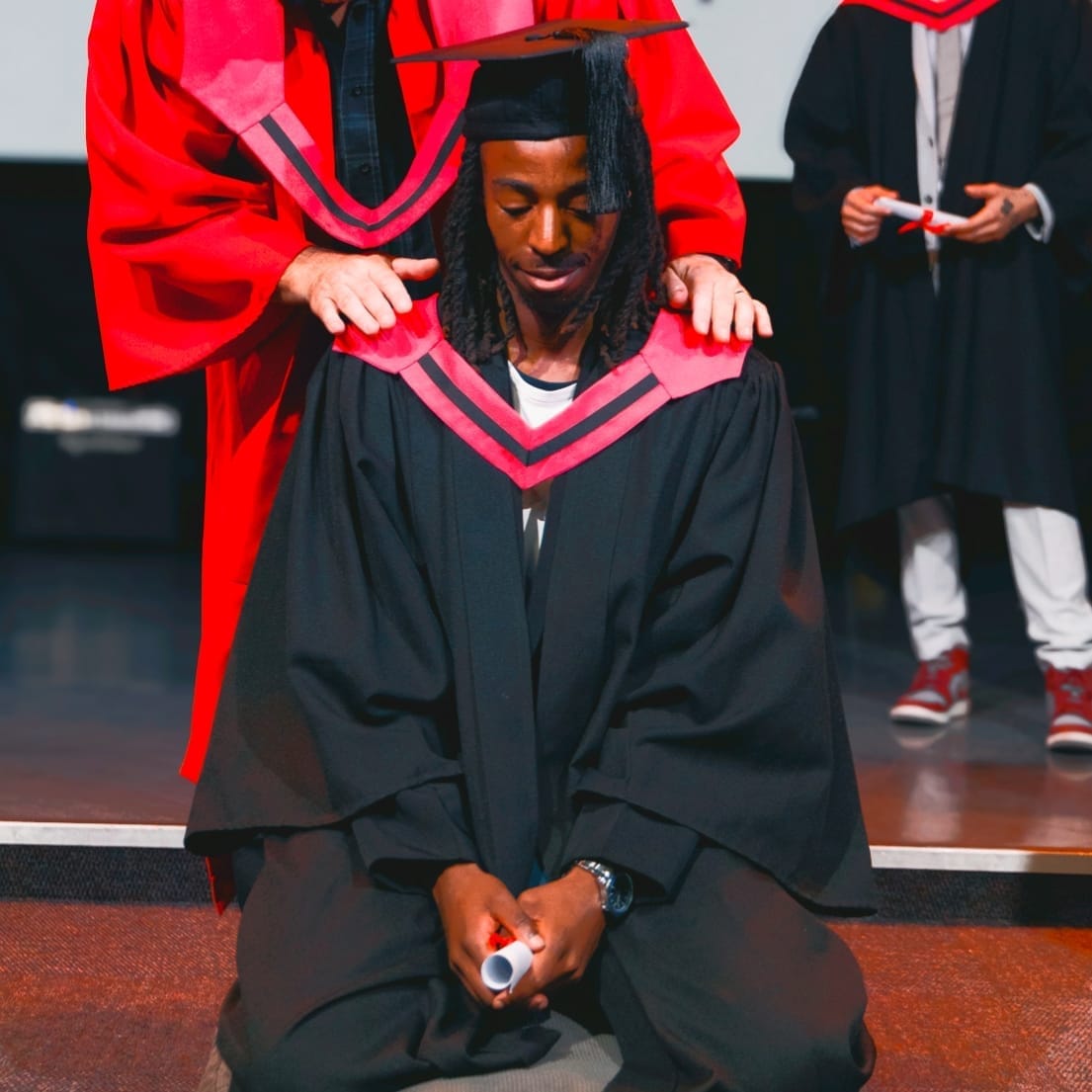
Written by Khumo "Matt Akai" Kekana — hip-hop beatmaker, music business graduate, and community builder helping South African indie rappers take control of their careers.
Khumo studied Music Business at Campus of Performing Arts and uses that foundation to guide independent artists through growth, strategy, and self-sustainability in South Africa's modern hip-hop scene.
Your source of insights and inspiration for the growth of your rap career in SA's landscape.
Keep up with all the latest!
Download our free e-book and get curated content delivered straight to your inbox. Click the button below to download and subscribe.