
Beat Licensing Basics Every Independent Rapper Must Understand
Most independent rappers in South Africa don’t lose money because their music is bad.
They lose money because they didn’t understand the paperwork.
Beat licensing isn’t complicated — but it is unforgiving. One wrong assumption can block a release, get a track taken down, or quietly kill long‑term income.
This guide breaks the basics down in plain language, so you can move with confidence before you record, upload, or promote anything.
Why This Matters Early (Not Later)
Licensing mistakes don’t usually show up at 50 streams. They show up when a song starts working.
That’s when you discover:
The beat wasn’t cleared for Spotify
The license expired
The producer still owns more than you thought
A sample flags your release
Fixing this after the fact is slower, more expensive, and sometimes impossible.
The goal here isn’t paranoia. It’s clarity.
Leasing vs Exclusive Beats (Plain English)
Lease (Most Common)
A lease means:
You’re renting the right to use the beat
Other artists can legally use the same beat
Your rights are limited by terms (streams, sales, platforms, time)
Think of it like an apartment lease. You can live there, but you don’t own the building.
Pros
Affordable
Perfect for early releases
Fast and accessible
Cons
Usage caps
No ownership of the beat
Producer can still sell it to others
Leasing vs Exclusive Beats (Plain English)
Lease AKA Non-Exclusive Lease (Most Common)
A lease means:
You’re renting the right to use the beat
Other artists can legally use the same beat
Your rights are limited by terms (streams, sales, platforms, time)
Think of it like an apartment lease. You can live there, but you don’t own the building.
Pros
Affordable
Perfect for early releases
Fast and accessible
Cons
Usage caps
No ownership of the beat
Producer can still sell it to others
Exclusive
An exclusive means:
You’re the only artist allowed to release music on that beat
The producer stops selling it to others
Ownership still depends on the contract
Exclusive does not always mean you own the beat outright. It means exclusivity of use.
Pros
No competing versions
Stronger brand identity
Better long‑term security
Cons
Higher cost
Still requires reading the terms
Common Licensing Traps Rappers Fall Into
1. Assuming “Paid” Means “Unlimited”
Paying for a beat does not automatically mean:
Unlimited streams
Unlimited revenue
All platforms
Forever usage
Always check caps.
2. Ignoring Platform Restrictions
Some licenses allow:
Streaming only
No YouTube monetization
No TV/film use
Uploading everywhere without checking = risk.
3. Releasing Before Reading the License
If you’ve already recorded vocals but the license doesn’t allow commercial release, you’re stuck.
Licensing should happen before recording — not after.
4. Assuming Exclusives Remove All Problems
Exclusives don’t:
Clear samples
Remove publishing splits
Guarantee ownership
They only remove competition.
Samples: When You Must Clear Them (And When You Don’t)
You Must Clear Samples If:
The beat uses copyrighted audio from another song
The sample is recognizable
You plan to release commercially
Clearing is required even if you bought the beat.
Samples: When You Must Clear Them (And When You Don’t)
You Must Clear Samples If:
The beat uses copyrighted audio from another song
The sample is recognizable
You plan to release commercially
Clearing is required even if you bought the beat.
You Don’t Need to Clear Samples If:
The beat uses royalty‑free sounds
The audio is original
The sample comes from cleared libraries
This is why knowing how a beat was made matters.
If the producer doesn’t disclose sample use, that’s a red flag.
Samples: When You Must Clear Them (And When You Don’t)
You Must Clear Samples If:
The beat uses copyrighted audio from another song
The sample is recognizable
You plan to release commercially
Clearing is required even if you bought the beat.
You Don’t Need to Clear Samples If:
The beat uses royalty‑free sounds
The audio is original
The sample comes from cleared libraries
This is why knowing how a beat was made matters.
If the producer doesn’t disclose sample use, that’s a red flag.
Publishing & Ownership (The Quiet Part)
In most cases:
Producer owns the composition
You own your lyrics and performance
Publishing is split
If you don’t know the split, you can’t register the song correctly.
That leads to:
Missed royalties
Registration errors
Disputes later
The Standard You’re Aiming For
Before releasing any song, you should be able to answer:
What rights do I have?
Where can I release this?
How long can I use it?
Are there samples involved?
Who owns what?
If any answer is unclear, the release isn’t ready.
Final Thought
Licensing isn’t about fear. It’s about protecting momentum.
Most rappers only learn this lesson once something goes wrong.
You’re learning it before.
Download: Beat License & Rights Check Checklist
This checklist helps confirm:
License type and limits
Platform permissions
Sample clearance status
Ownership and splits
Release readiness
Use it before recording or releasing — not after.
Checklist Outcome: Confidence that your song is legally and commercially safe to release.
Download: Beat License & Rights Check Checklist
About the Author
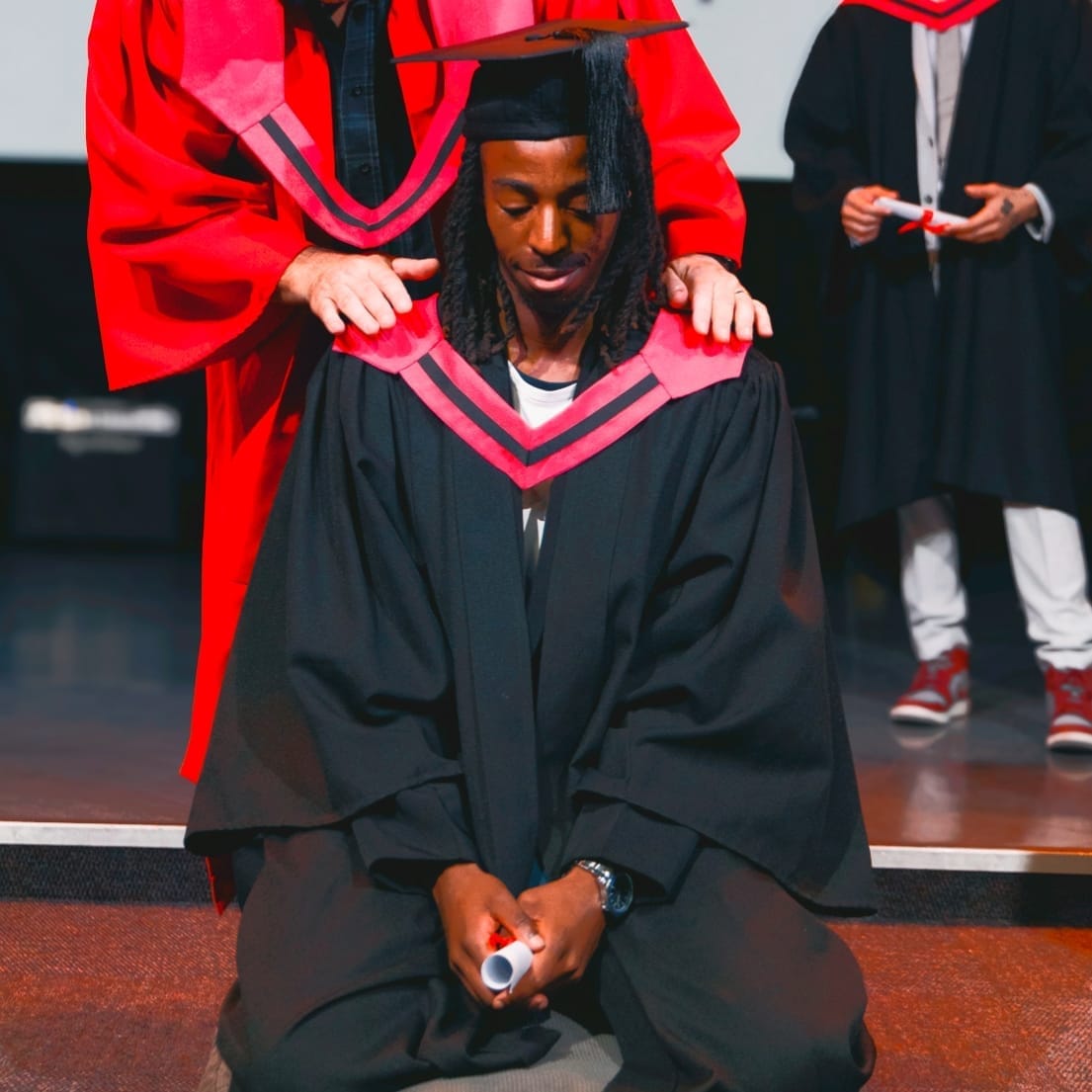
Written by Khumo "Matt Akai" Kekana — hip-hop beatmaker, music business graduate, and community builder helping South African indie rappers take control of their careers.
Khumo studied Music Business at Campus of Performing Arts and uses that foundation to guide independent artists through growth, strategy, and self-sustainability in South Africa's modern hip-hop scene.
Your source of insights and inspiration for the growth of your rap career in SA's landscape.
Keep up with all the latest!
Download our free e-book and get curated content delivered straight to your inbox. Click the button below to download and subscribe.